

What is outbound logistics?
Outbound logistics is everything that gets products from your warehouse to your customers: processing orders, picking and packing them, handing them to a carrier and delivering them. For an online brand, it is the part of logistics that customers actually experience.
Core principle: Good outbound logistics ships every order fast, complete and correctly, at a cost per order that leaves room for margin.
Outbound logistics steps
- Order processing: orders arrive from the webshop, marketplaces or retailers and are released to the warehouse.
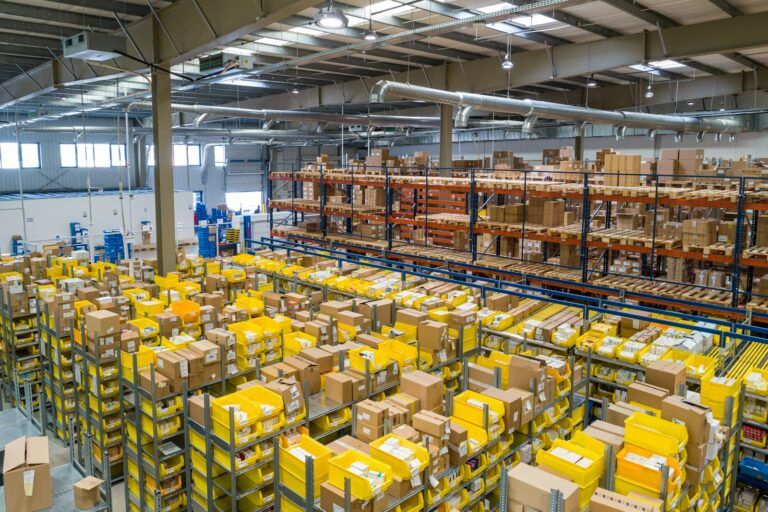
- Picking: the items are collected from their storage locations. See picking.
- Packing: items are packed, labelled and checked. See pick and pack.
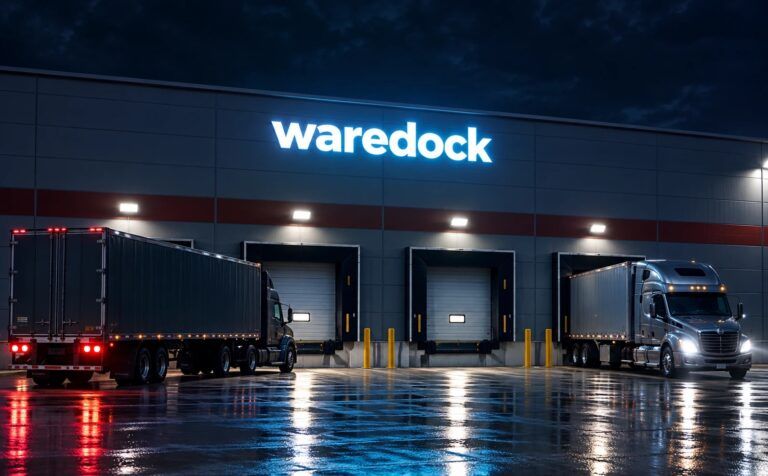
- Shipping: parcels or pallets are handed to the carrier, often via line haul between hubs.
- Delivery: last-mile delivery to the customer, with tracking.
Outbound logistics KPIs
- Order cycle time: from order to dispatch
- Fill rate and perfect order rate
- On-time delivery rate
- Shipping and fulfilment cost per order
Example: A customer in Germany orders a pair of trainers at 11:00. The order reaches the warehouse in seconds, is picked and packed by 14:00, collected by the carrier at 17:00 and delivered the next morning. All of that is outbound logistics.
Outbound logistics is the counterpart of inbound logistics. For a full comparison, see inbound vs outbound logistics. Returns flow back as reverse logistics.
Frequently asked questions
What is outbound logistics?
The flow of goods from your warehouse to customers, from order processing to delivery.
What is an example of outbound logistics?
Picking, packing and shipping an online order to a customer, or delivering a pallet to a retailer’s distribution centre.
Are returns part of outbound logistics?
No. Returns are reverse logistics: goods flowing back from the customer to the warehouse.