

Logistics costs are all the costs of moving and storing goods on their way from supplier to customer: transport, warehousing, handling, packaging, inventory, returns and the administration around them. For an online shop they often decide whether an order makes money. This guide explains what logistics costs are, gives a full cost breakdown with typical prices per pallet, parcel and order, shows how costs are developing in 2026, and finishes with practical ways to reduce them.
Quick answer: Logistics costs include transport (inbound freight and outbound delivery), warehousing (receiving, storage), order handling (pick and pack, packaging), returns, inventory carrying costs and administration. For a typical small eCommerce order shipped within Germany, fulfilment and delivery together usually cost around €5–10, with shipping as the largest single item.
Sources: CSCMP and Kearney, State of Logistics Report 2026; Ti, Upply and IRU, European Road Freight Rate Benchmark Q2 2026.
Jump to: Meaning · Types · Cost breakdown and prices · CCG1 and CCG2 pallets · Example order · Hidden costs · Costs in 2026 · How to calculate · Tips to reduce costs · Comparing 3PL quotes · FAQ
What are logistics costs?
Logistics costs, also called logistics expenses, are the total costs a business pays to get products from where they are made to where they are sold and used. They cover the physical flow of goods, the storage in between and the work and systems needed to manage both.
Typical examples of logistics costs:
- sea, air or road freight from your supplier to your warehouse;
- customs clearance and import fees;
- unloading, checking and storing goods;
- monthly fees for pallet and shelf space;
- picking, packing and packaging material for each order;
- parcel and pallet delivery to customers;
- handling and shipping of returns;
- the capital, insurance and risk tied up in stock;
- staff, software and administration for planning, invoicing and customer enquiries.
Types of logistics costs
| Type | What it includes | Fixed or variable |
|---|---|---|
| Transport costs | Inbound freight, transfers between warehouses, parcel and pallet delivery | Mostly variable |
| Warehousing costs | Rent or storage fees, receiving, put-away, utilities, equipment | Fixed (own warehouse) or variable (3PL) |
| Order handling costs | Pick and pack, packaging material, labelling, kitting | Variable |
| Inventory carrying costs | Capital tied up in stock, insurance, shrinkage, obsolescence | Variable with stock levels |
| Returns costs | Return shipping, inspection, repacking, disposal | Variable |
| Administration costs | Planning, carrier management, invoicing, customer service, IT | Mostly fixed |
It also helps to separate direct logistics costs, the fees on your invoices such as freight, storage and pick and pack, from total logistics costs, which add indirect items such as inventory carrying costs, damage, errors and staff time. Comparing providers on direct costs alone often hides the real difference.
Logistics cost breakdown: typical prices for eCommerce
The table gives indicative 2026 market prices for outsourced eCommerce logistics in Germany, based on published price guides from German fulfilment providers, comparison sites and carriers (see sources). Prices vary with region, volume and service level, so treat them as a guide and compare real quotes for your products.
| Step | Cost item | Indicative market range, 2026 |
|---|---|---|
| Receiving | Pallet, unloading and booking in | €4–15 per pallet |
| Carton or parcel | €3–8 per carton | |
| Storage | Standard pallet location (Euro pallet) | €8–25 per month; €22–38 in premium urban locations |
| Shelf or bin location for small items | Priced per location or volume; ask for quotes | |
| Pick and pack | Order including the first item | €1.50–4.00 per order |
| Each additional item | €0.20–0.50 | |
| Packaging material | €0.20–0.90 per order | |
| Delivery in Germany | Parcel up to 2 kg / 5 kg | Business rates negotiated, usually below the list prices of €5.49 / €6.99 (DHL) |
| Euro pallet, about 100 kg, general freight | about €100–200 per shipment | |
| Returns | Return handling, inspection and restocking | €2–5 per return, plus return shipping |
As a rule of thumb, fulfilment without postage costs about €2.80–5.50 per parcel, and fulfilment plus national shipping about €5–10 per order for parcels up to 5 kg. Costs are still rising: DHL raised its parcel prices for business customers on 1 January 2026, and costs per shipment in German general freight rose 4.7% in the first half of 2026, according to the DSLV cost index.
What drives each cost
- Receiving: the level of checks (sample checks or 100% counts and function tests), the number of SKUs per delivery and whether pallets are single-SKU or mixed.
- Storage: product size, pallet height, temperature control, security requirements and whether you are billed for actual space used or a fixed area.
- Pick and pack: number of lines and units per order, product weight and fragility, custom packaging and inserts.
- Delivery: weight, size, destination country, delivery speed and your volume with the carrier.
- Returns: return rate, condition checks, repackaging and who pays the return label.
CCG1 and CCG2 pallets: why pallet height changes the price
Warehouses and pallet networks in Germany often price pallets by height class:
| Class | Maximum loading height | Typical use |
|---|---|---|
| CCG1 | Up to 105 cm, including about 15 cm of pallet | Standard storage locations and lower rack levels |
| CCG2 | About 160–195 cm, including the pallet | Full-height pallets, usually charged at a higher rate than CCG1 |
A CCG2 pallet takes up a taller storage location, so it costs more per month than a CCG1 pallet, but storing the same goods on two CCG1 pallets usually costs more than on one CCG2 pallet. Ask your provider for both prices and stack to the height that gives the lowest cost per unit stored. Exact limits vary by warehouse and carrier, so check them before you ship.
Example: logistics cost per eCommerce order
A single-item order under 1 kg, shipped within Germany from a 3PL warehouse. The figures are assumptions within the market ranges above:
| Cost item | Cost per order |
|---|---|
| Pick and pack (first item) | €2.00 |
| Packaging | €0.40 |
| Parcel delivery (business rate, under 2 kg) | €4.50 |
| Storage, receiving and returns share (estimate) | €0.80 |
| Total | €7.70 |
- Parcel delivery58%
- Pick and pack26%
- Storage, receiving and returns10%
- Packaging6%
| Parcel delivery | 58% |
|---|---|
| Pick and pack | 26% |
| Storage, receiving and returns | 10% |
| Packaging | 6% |
Source: Waredock example using assumptions within 2026 market ranges for Germany.
Shipping makes up more than half of the total, which is why carrier choice, parcel size and warehouse location usually save more than negotiating cents on pick and pack.
Hidden logistics costs

- Inventory carrying costs: capital tied up in stock, insurance, storage of slow movers and products that expire or go out of fashion.
- Errors and damage: wrong items, broken products and lost parcels mean reshipping, refunds and lost customers.
- Customer service: “where is my order?” enquiries and complaints about late deliveries take staff time.
- Volumetric weight: carriers charge by size as well as weight, so oversized boxes cost more.
- Surcharges: fuel, peak season, remote areas, oversized parcels and failed delivery attempts.
- Minimums and contract terms: monthly minimum fees, setup fees and charges to remove your stock.
- Administration: checking invoices from several carriers and warehouses, and managing claims.
How logistics costs are developing in 2026
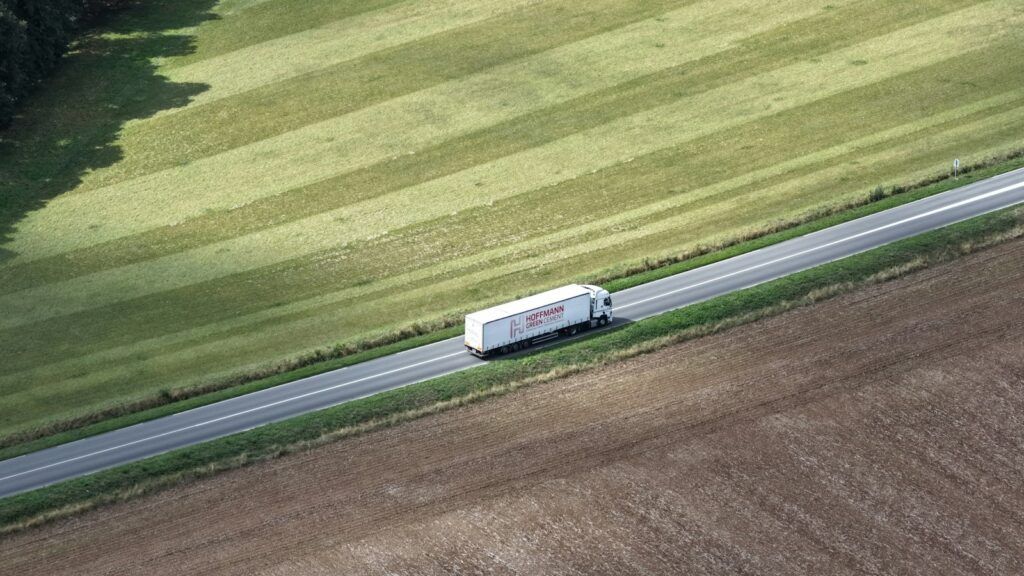
European road freight is getting more expensive again. The Ti, Upply and IRU benchmark put the contract rate index at 148.0 in the second quarter of 2026, up 7.9 points on the previous quarter and 15.2 points on a year earlier. Spot rates rose even faster. According to the report coverage, higher fuel and operating costs drove most of the increase, not stronger demand.
| Q2 2025 | 132.8 |
|---|---|
| Q4 2025 | 136.9 |
| Q1 2026 | 140.1 |
| Q2 2026 | 148 |
Source: Ti, Upply and IRU European Road Freight Rate Benchmark, as reported by trans.info; Q2 and Q4 2025 values derived from the reported changes.
In the United States, the CSCMP State of Logistics Report 2026 found that business logistics costs fell slightly to $2.4 trillion in 2025, or 7.8% of GDP, showing that costs can fall when demand is weak even while rates in some markets rise.
The main cost drivers to watch in 2026:
- Fuel and energy for transport and warehouses.
- Wages and driver shortages, which keep road freight and warehouse labour expensive.
- Tolls and CO₂ charges, such as the CO₂ surcharge on Germany’s truck toll introduced in December 2023.
- Carrier price increases for parcels, which most carriers announce once or twice a year.
- Packaging rules, such as the EU Packaging and Packaging Waste Regulation that has applied since August 2026.
How to calculate your logistics costs
- Logistics cost per order = total logistics costs for a period ÷ number of orders shipped.
- Logistics costs as a share of revenue = total logistics costs ÷ net revenue × 100.
- Storage cost per unit = monthly storage cost ÷ units in stock.
- Cost per delivered order = cost per order + the cost of errors, damage and returns spread across all orders.
Track these monthly, per sales channel and per country. A rising cost per order is often the first sign of oversized packaging, a carrier surcharge or slow-moving stock.
12 practical tips to reduce logistics costs
- Right-size your packaging. Smaller boxes reduce volumetric weight, void fill and carrier surcharges.
- Store stock closer to customers. A warehouse in the country, or region, where most orders go cuts delivery costs and transit times.
- Use more than one carrier. Choose the cheapest reliable service per country and parcel size instead of one carrier for everything.
- Consolidate inbound freight. Fewer, fuller shipments from suppliers lower freight costs per unit.
- Ship single-SKU, labelled pallets. Mixed, unlabelled deliveries cost more to receive.
- Reduce slow-moving stock. Sell off or stop reordering products that sit for months; they pay storage every month.
- Stack pallets to the right height. Compare CCG1 and CCG2 prices and use the class that gives the lowest cost per unit.
- Cut picking errors. Scanning and clear product data prevent the reshipping and refunds that wipe out the margin on an order.
- Manage returns. Better size guides and product photos lower return rates; fast inspection gets returned stock back on sale.
- Set a free shipping threshold. Encourage bigger baskets, which spread logistics costs over more value.
- Check every invoice. Audit carrier and warehouse invoices for surcharges and billing errors.
- Review contracts yearly. Benchmark rates, renegotiate as your volume grows and avoid long minimum terms.
How to compare 3PL costs in Europe
3PL quotes are hard to compare because providers price differently. To compare fairly:
- send every provider the same data: products, sizes and weights, monthly orders, units per order, pallets in stock, destination countries and return rate;
- ask for all fees, including setup, monthly minimums, packaging, surcharges and fees for leaving;
- calculate the total monthly cost and the cost per order for your real order profile, not just the headline pick and pack price;
- check service levels: order cut-off time, accuracy, dispatch speed and how errors are compensated.
Read more in our guides to fulfilment costs and 3PL vs in-house fulfilment costs, or see Waredock’s warehouse storage and eCommerce fulfilment services.
Frequently asked questions
What is the meaning of logistics costs?
Logistics costs are all the costs of moving and storing goods from supplier to customer, including transport, warehousing, order handling, packaging, returns, inventory carrying costs and administration.
What are examples of logistics costs?
Inbound freight, customs fees, receiving, pallet and shelf storage, pick and pack, packaging material, parcel and pallet delivery, returns handling, insurance and the staff and software used to manage logistics.
What is a typical logistics cost per eCommerce order?
For a small single-item order shipped within Germany from a 3PL, fulfilment and delivery usually cost around €5–10. Heavier, bulky or international orders cost more.
What is the difference between CCG1 and CCG2 pallets?
CCG1 pallets have a maximum loading height of about 105 cm including the pallet, while CCG2 pallets can be about 160–195 cm high. Taller CCG2 pallets cost more per storage location but less per unit stored.
Are logistics costs rising in 2026?
Yes, in European road freight. The Ti, Upply and IRU contract rate index rose to 148.0 in Q2 2026, 15.2 points higher than a year earlier, mainly because of fuel and operating costs.
How can I reduce logistics costs?
Right-size packaging, store stock closer to customers, use several carriers, consolidate inbound freight, reduce slow-moving stock, cut picking errors, manage returns and check every invoice.
Sources
- Ti, Upply and IRU, European Road Freight Rate Benchmark, as reported by trans.info (Q2 2026) and Ti Insight (Q1 2026)
- CSCMP and Kearney, State of Logistics Report 2026, as reported by AJOT and Supply Chain Digest
- 2026 fulfilment price guides: Fulfillment-Finder, Industrie-Fachwissen, Fulfillment-Experte (DACH 2026), Logistikfuchs
- DHL Group, DHL Paket raises prices for business customers (October 2025); DHL list prices via ShippyPro
- Pallet freight: LetMeShip; DSLV general freight cost index via Transport-Online