

Retailer, wholesaler, distributor and reseller are four roles in the chain that moves products from the factory to the customer. They differ in who they buy from, who they sell to, how much they buy and how they make money. Here are the meanings, a side-by-side comparison and the differences people ask about most, with examples from eCommerce.
Quick definitions
Retailer: a business that sells products to consumers for their own use, in a shop or online (B2C).
Wholesaler: a business that buys large quantities and sells them in smaller batches to other businesses, mainly retailers and resellers (B2B).
Distributor: a company that works closely with manufacturers, often under contract or with exclusive rights, to get their products into a market or territory.
Reseller: any business or person that buys products from someone else and sells them on, usually without changing them. All retailers are resellers, but resellers can also sell to businesses.
In a classic supply chain, a product moves from the manufacturer to a distributor, then a wholesaler, then a retailer or reseller, and finally the customer. Each step adds value: buying in bulk, storing stock, reaching new markets or serving consumers. In eCommerce the roles often overlap. Brands sell direct to consumers, wholesalers open online shops, and marketplace sellers source straight from factories.
Retailer vs wholesaler vs distributor vs reseller: comparison table
| Retailer | Wholesaler | Distributor | Reseller | |
|---|---|---|---|---|
| Buys from | Wholesalers, distributors, brands | Manufacturers, distributors | Manufacturers | Anyone upstream: brands, wholesalers, distributors, other sellers |
| Sells to | Consumers | Retailers and resellers | Wholesalers, retailers, large business buyers | Consumers or businesses |
| Order size | Single items | Cases, cartons, pallets | Pallets, containers | Single items to bulk lots |
| Relationship with brands | Customer of the supply chain | Independent, usually many brands | Close, often contractual or exclusive | Authorised or independent |
| Margin per unit | Highest | Low, high volume | Low to medium, plus services | Varies widely |
| Model | B2C | B2B | B2B | B2C or B2B |
| eCommerce example | A Shopify store selling to shoppers | A B2B portal selling cartons to shops | The official importer of a brand for the Nordics | An Amazon seller selling branded goods it buys in |
What is a retailer?
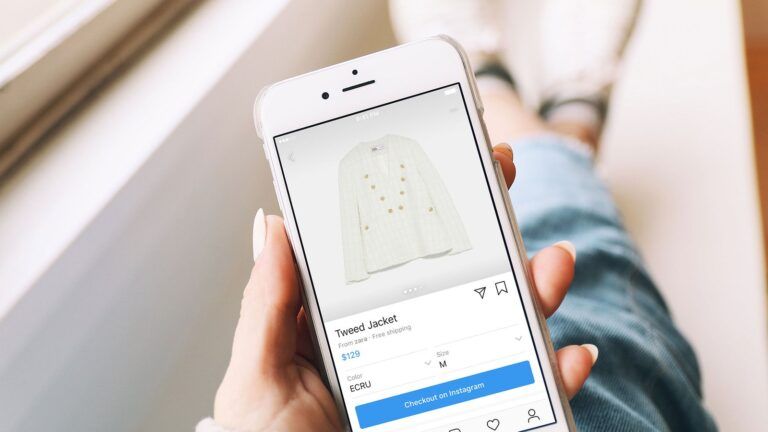
A retailer is the final stop before a product reaches the consumer. Retailers sell products to people for their own use, in a physical shop, an online store or both. If you have ever bought something in a supermarket or on a webshop, you bought it from a retailer.
Retailers focus on the shopping experience: pricing items individually, presenting products well, marketing to shoppers and handling service and returns. They usually buy from wholesalers, distributors or directly from brands and add a markup. For example, a retailer that buys phone cases at €5 might sell them for €12 to €15, covering marketing, fulfilment and returns. Running your own Shopify or WooCommerce store, or selling to consumers on Amazon, Zalando or Allegro, makes you a retailer.
- Customers: consumers (B2C)
- Quantities: single items per order
- Strengths: highest margin per unit, direct customer relationship
- Challenges: marketing costs, competition, returns and customer service
What is a wholesaler?
A wholesaler is a bulk middleman. Wholesalers buy large quantities from manufacturers or distributors at a discount and sell smaller batches to other businesses, mostly retailers and resellers. They operate business-to-business (B2B) and usually don’t sell to the public.
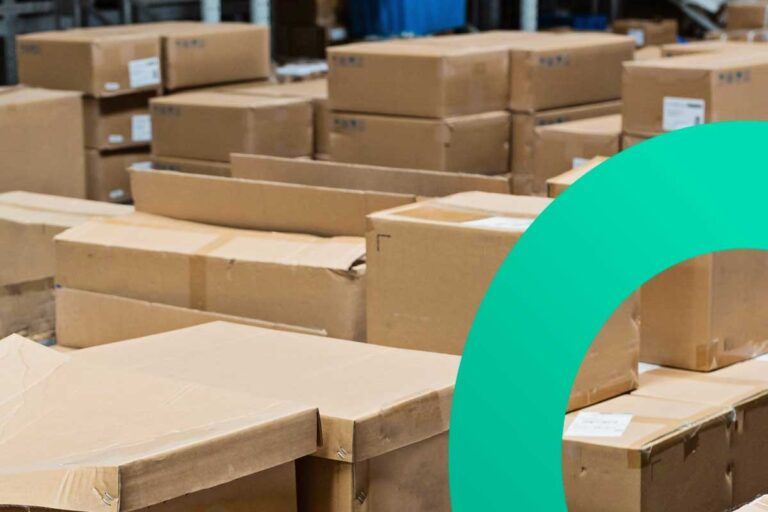
Wholesalers make it possible for a shop to stock many products without dealing with dozens of factories. A webshop might buy 500 mugs from one wholesaler instead of ordering from 50 ceramic makers. Wholesalers earn thin margins per unit but sell high volumes, compete on price, range and availability, and need capital for stock and warehousing. Many work with minimum order quantities, such as 50 units or one carton per product.
- Customers: retailers, resellers and other businesses (B2B)
- Quantities: cases, cartons and pallets
- Strengths: volume, efficiency, fewer customers to serve
- Challenges: capital tied up in stock, low margins, storage costs
What is a distributor?
A distributor is an intermediary that works closely with a manufacturer to get its products into a market. Distributors often act as an extension of the brand’s sales team, usually under a distribution agreement and sometimes with exclusive rights for a country, region or channel.
Distributors buy in bulk like wholesalers, but they focus on fewer brands and offer more than just stock: local marketing, sales to retail chains, after-sales service, warranty handling and regulatory work such as labelling and product registration. A small electronics brand from Asia might appoint one distributor for the Nordics, which imports containers, stores the goods and sells them to retailers and wholesalers in the region. Exclusive distributors usually don’t carry directly competing brands.
- Customers: wholesalers, retailers and large business buyers (B2B)
- Quantities: pallets and containers
- Strengths: close brand relationship, protected territory, added services
- Challenges: large volumes, contractual obligations, sales targets
What is a reseller? (Reseller meaning)
A reseller is anyone who buys a product and sells it on without being its manufacturer, usually without changing it. The term is broad: every retailer is a reseller, but “reseller” is also used for businesses that sell to other businesses, for small or informal sellers, and for partners that resell another company’s products, such as software or electronics.
Common types of resellers
- Authorised resellers: approved by a brand to sell its products, for example an authorised Apple or Microsoft reseller.
- Value-added resellers (VARs): resell products with extra services such as installation, configuration, bundles or training, which is common in IT.
- Marketplace resellers: buy branded products from wholesalers or distributors and sell them on Amazon, eBay or Allegro.
- Second-hand and resale sellers: sell used, refurbished or vintage goods, for example on Vinted or Back Market.
- Arbitrage resellers: buy discounted products in one channel and sell them in another at a higher price.
Unlike distributors, resellers rarely have exclusive rights, and unlike wholesalers, they usually sell in smaller quantities.
Reseller vs distributor: what’s the difference?
This is the most searched comparison. The short answer: a distributor works for the brand and moves volume into a market, while a reseller sells products to the final buyer.
| Reseller | Distributor | |
|---|---|---|
| Buys from | Distributors, wholesalers, brands | Directly from the manufacturer |
| Sells to | End customers (consumers or businesses) | Wholesalers, retailers, resellers |
| Exclusivity | Rare | Common, often by territory |
| Volume | Small to medium | Large |
| Services | Sales and sometimes support | Import, stock, marketing, after-sales |
Example: a distributor imports a brand of headphones into Germany and supplies 300 shops. One of those shops, selling to consumers on its website and on Amazon, is a reseller.
Reseller vs retailer: what’s the difference?
Every retailer is a reseller, but not every reseller is a retailer.
| Reseller | Retailer | |
|---|---|---|
| Customers | Consumers or businesses | Consumers only |
| Scale | From individuals to large companies | Usually an established shop or webshop |
| Typical use of the term | Marketplaces, IT, second-hand, B2B | Shops and webshops |
In everyday eCommerce the words are often used interchangeably. “Retailer” emphasises selling to consumers, while “reseller” emphasises that you sell products made by someone else.
Reseller vs wholesaler: what’s the difference?
Both buy from someone else and sell on, but at very different scales and to different customers.
| Reseller | Wholesaler | |
|---|---|---|
| Sells to | Mostly end customers | Mostly other businesses |
| Order size | Single items to small lots | Cartons and pallets |
| Price level | Retail or near-retail prices | Wholesale prices with volume discounts |
| Role | Customer of the wholesaler | Supplier to resellers |
If you search for a “wholesaler for resellers”, you are looking for a supplier that sells in bulk at wholesale prices so you can resell at a margin. See how to find one below.
Wholesaler vs retailer: what’s the difference?
Retailers sell to consumers; wholesalers sell to retailers.
| Wholesaler | Retailer | |
|---|---|---|
| Customers | Businesses (B2B) | Consumers (B2C) |
| Order size | Bulk | Single items |
| Margin | Low per unit, high volume | Higher per unit |
| Marketing | Sales team, trade fairs, B2B portals | Advertising, SEO, marketplaces, social media |
| Location | Warehouses, often not public | Shops and webshops |
Some businesses do both. Cash-and-carry stores sell to trade customers, and many brands run a retail webshop alongside a wholesale portal for shops.
Distributor vs wholesaler vs retailer
The three classic steps of the supply chain, side by side.
| Distributor | Wholesaler | Retailer | |
|---|---|---|---|
| Works for | The manufacturer | Itself, many brands | Itself, the consumer |
| Buys | Containers from the manufacturer | Pallets from manufacturers or distributors | Cartons or items from wholesalers or distributors |
| Sells | To wholesalers and retailers | To retailers and resellers | To consumers |
The difference between a retailer and a distributor is the biggest: distributors sit right after the manufacturer and sell in bulk to businesses, retailers sit at the end and sell single items to consumers.
How resellers find suppliers (wholesalers for resellers)
- Go to the brand first. Ask the manufacturer whether it sells direct or who its authorised distributor or wholesaler is in your country.
- Use B2B marketplaces and trade platforms. European B2B portals, Alibaba for factory sourcing, and wholesale apps for independent shops.
- Visit trade fairs. Events such as Ambiente (Frankfurt) for home and gifts are where many European suppliers meet resellers.
- Check terms carefully. Minimum order quantities, price lists, payment terms, delivery times and whether you may sell on marketplaces.
- Verify the supplier. Check company and VAT registration (the EU’s VIES database checks EU VAT numbers) and ask for references before larger orders.
Reselling in the EU: rules to know
- VAT on B2B purchases: when a VAT-registered business buys goods from a supplier in another EU country, the sale is usually zero-rated and the buyer accounts for VAT through the reverse charge. Give your supplier a valid EU VAT number. The US “resale certificate” has no direct EU equivalent.
- Reselling branded goods: once genuine branded goods have been placed on the market in the European Economic Area by the brand or with its consent, they can generally be resold there without the brand’s permission (the “exhaustion” principle in EU trade mark law). Importing genuine goods from outside the EEA without consent can infringe trade marks.
- Selective and exclusive distribution: brands can legally restrict who may sell their products through distribution agreements, within EU competition rules. Authorised resellers must follow those contract terms, for example on online sales or marketplaces.
- Consumer rules: if you sell to consumers you are a retailer in the eyes of consumer law, with obligations such as the 14-day right of withdrawal for online sales.
Which model is right for your eCommerce business?
- Who will you sell to? Consumers point to retail or reselling, businesses to wholesale or distribution.
- How much capital and storage do you have? Limited capital favours retail and reselling; bulk buying needs more cash and warehouse space.
- Do you have a unique source? A strong factory relationship or exclusive import deal can make you a wholesaler or distributor.
- What do you enjoy? Marketing and customer experience suit retail; logistics and B2B sales suit wholesale and distribution.
Many brands do a bit of everything over time: start as a reseller on Amazon, launch their own webshop, then wholesale their products to other shops.
Fulfilment differs by role. Retailers and resellers ship single parcels to consumers and handle returns. Wholesalers and distributors ship cartons and pallets to stores, often with retailer labelling rules and advance shipping notices (ASN). Waredock handles both eCommerce fulfilment and B2B and wholesale fulfilment from the same stock.
Related reading: Top 30 online marketplaces in Europe · Incoterms explained · Importer of record · Consolidation
Frequently asked questions
What is a reseller?
A reseller is a business or person that buys products from a manufacturer, wholesaler or distributor and sells them on, usually without changing them. Resellers can sell to consumers or to other businesses.
Is a reseller the same as a retailer?
Every retailer is a reseller, because it sells products made by others. But reseller is a broader term: it also covers businesses that resell to other businesses, IT and software partners, and second-hand sellers.
What is the difference between a reseller and a distributor?
A distributor buys large volumes directly from the manufacturer, often with exclusive rights for a territory, and supplies wholesalers and retailers. A reseller buys smaller quantities and sells to the end customer.
What is the difference between a wholesaler and a retailer?
A wholesaler sells products in bulk to other businesses at wholesale prices. A retailer sells single items to consumers at retail prices.
Can a wholesaler sell directly to consumers?
Yes, many wholesalers now also run online shops or sell on marketplaces. When they do, they act as retailers for those sales and must follow consumer rules.
Do I need permission to resell branded products in the EU?
Generally not, if the goods are genuine and were first put on the market in the EEA by the brand or with its consent. Brands can still limit resale through distribution contracts you sign, and importing genuine goods from outside the EEA without consent can infringe trade marks.
Sources
Figures are taken from the sources below and were checked in September 2026. Market estimates from research firms are labelled as estimates in the text.
- Your Europe – VAT rules for cross-border trade – intra-EU B2B VAT and reverse charge
- Regulation (EU) 2017/1001 on the EU trade mark – Article 15, exhaustion of rights
- European Commission – Vertical block exemption rules – selective and exclusive distribution
- Regulation (EU) 2022/720 (Vertical Block Exemption Regulation)