

What is distributed inventory?
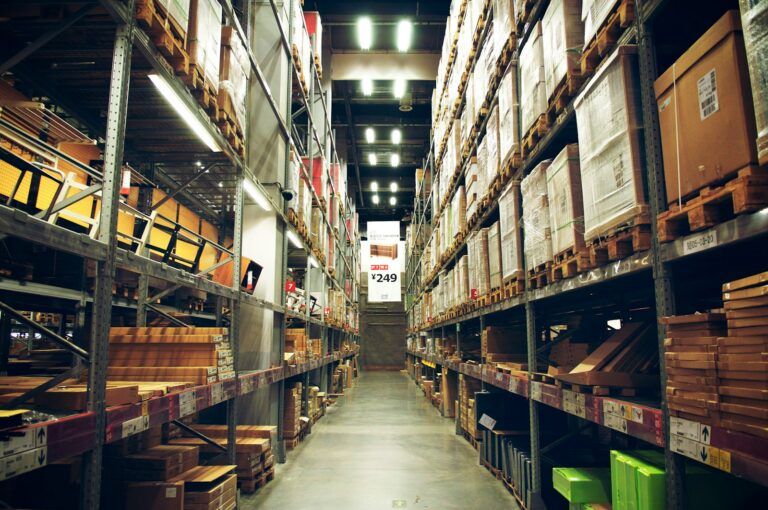
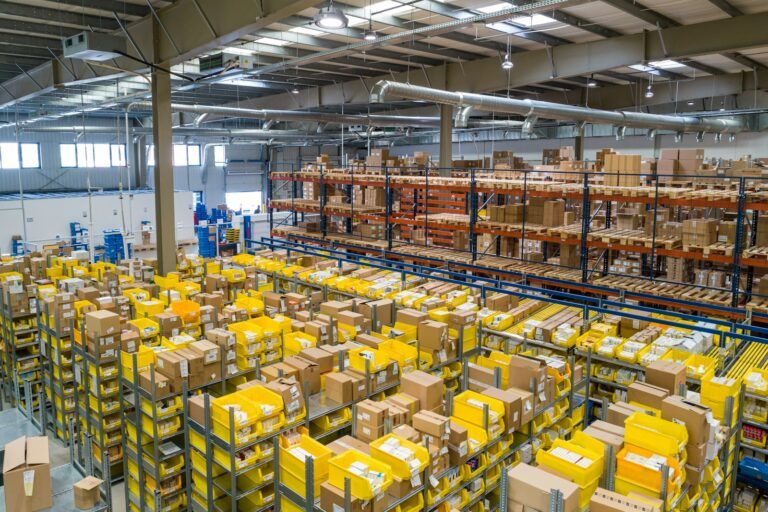
Distributed inventory is a strategy where a business splits its stock across several warehouses, often in different countries or regions. Each order is shipped from the location that can deliver it fastest or cheapest. It is the opposite of a single central warehouse that ships everything. A warehouse placed close to a market mainly to protect against supply delays is sometimes called a buffer warehouse.
Core principle: Put stock where your customers are. Shorter distances mean faster, cheaper delivery, but more locations mean more stock to manage.
Benefits
Faster delivery
Orders ship domestically or from a nearby country, so more customers get next-day or two-day delivery.
Lower shipping costs
Domestic parcels are usually cheaper than cross-border ones, and bulk transfers between warehouses cost less per unit than single parcels.
Resilience
If one warehouse is disrupted or a carrier has problems, other locations can keep shipping.
Marketplace and retail requirements
Local stock helps meet delivery promises on marketplaces and retailer delivery windows.
Trade-offs
- More total stock: each location needs its own safety stock.
- Replenishment planning: a reorder point per SKU and location, and transfers between warehouses.
- Tax and compliance: storing stock in another EU country usually requires a VAT registration there.
- Systems: you need one view of stock across locations and an OMS that routes orders to the right warehouse.
Central vs distributed inventory
| One central warehouse | Distributed inventory | |
|---|---|---|
| Delivery speed | Fast nearby, slower far away | Fast in every market served |
| Shipping cost per order | Higher for distant customers | Lower on average |
| Total stock needed | Lower | Higher |
| Complexity | Low | Higher, needs good systems |
| Best for | Early stage, one main market | Growing brands selling in several countries |
Example: A sportswear brand ships all of Europe from the Netherlands. As Nordic and Polish sales grow, it moves its bestsellers into warehouses in Sweden and Poland too. Most orders now ship domestically, and only slow-moving SKUs stay central.
Read more about multi-warehousing, or see Waredock’s European locations, all run on one platform.
Frequently asked questions
What is distributed inventory?
Holding stock in several warehouses or countries instead of one, so each order ships from the location closest to the customer.
When should a brand move to distributed inventory?
Usually when a large share of orders goes to distant markets, delivery times or shipping costs hurt sales, or marketplaces require local stock.
Does distributed inventory increase stock levels?
Usually yes, because each location needs its own safety stock. Good forecasting and keeping slow movers central limit the increase.
What is a buffer warehouse?
A warehouse close to a destination market that holds stock to protect against supply delays, often a part of a distributed inventory set-up.