

What is a WMS?
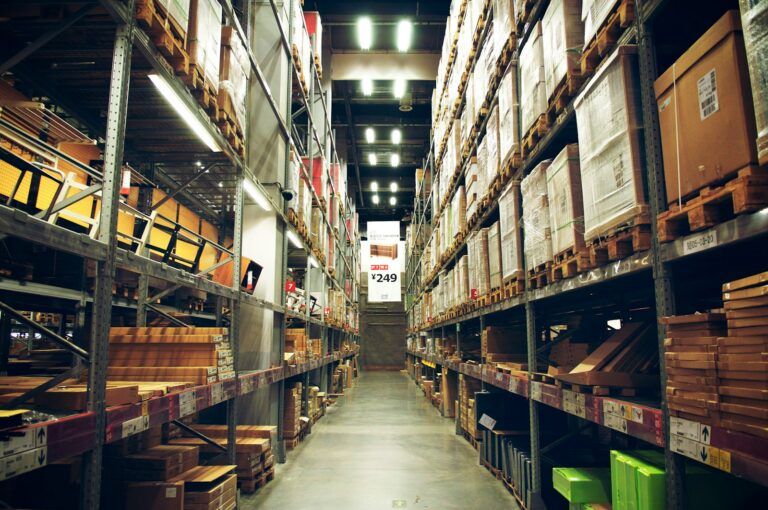
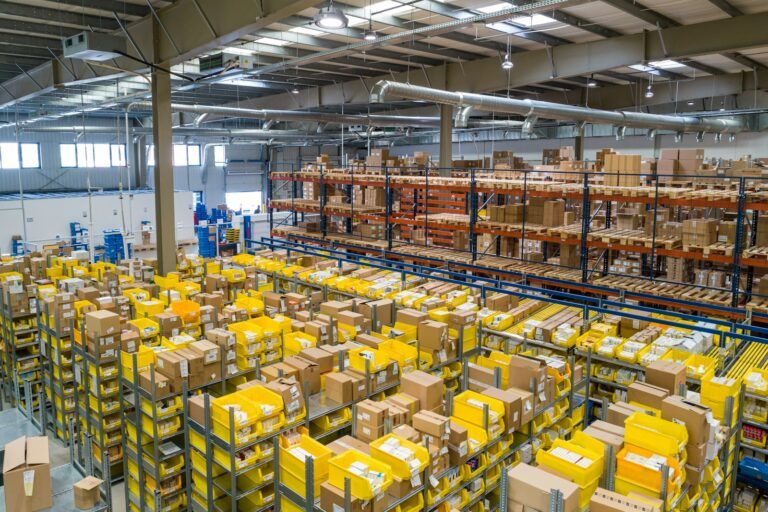
A warehouse management system (WMS) is the software a warehouse runs on. It records every product, every storage location and every movement, from the moment goods arrive until the parcel leaves. It tells staff what to receive, where to store it, what to pick next and how to pack it, and it keeps stock levels accurate in real time.
Running your own warehouse? See Waredock WMS, our warehouse management system for brands and logistics companies.
A WMS works alongside other systems. Your online shop or order management system (OMS) sends orders to the WMS, and your SKU and stock data flow back to your sales channels.
Core principle: If it isn’t scanned into the WMS, it doesn’t exist. Accurate stock depends on recording every receipt, move and pick in the system.
What a WMS does
Receiving and put-away
Checks deliveries against the advance shipping notice, records quantities, batches and expiry dates, and directs each pallet or carton to a storage location.
Inventory and locations
Holds live stock per SKU, location and warehouse, and supports cycle counts to keep records right.
Why it matters: Accurate stock prevents overselling on your shop and marketplaces.
Picking and packing
Groups orders into efficient pick routes (single-order, batch or cluster picking) and guides packers with scan checks and packing instructions.
Shipping
Selects the carrier and service, prints labels and sends tracking numbers back to the sales channel.
Rules and reporting
Applies stock rotation such as FEFO, triggers replenishment at the reorder point, and reports accuracy, productivity and throughput.
WMS vs OMS vs ERP
| System | Main job | Typical users |
|---|---|---|
| WMS | Stock and work inside the warehouse | Warehouse teams, 3PLs |
| OMS | Collecting orders from all channels and deciding where to fulfil them | eCommerce and operations teams |
| ERP | Finance, purchasing and company-wide planning | Finance, purchasing, management |
Example: A cosmetics brand sells on Shopify and Amazon. Orders flow into the WMS of its fulfilment warehouse, which sends pickers to the right bin, checks the batch with the earliest expiry date, prints the DHL label and updates stock on both channels within minutes.
Do you need your own WMS?
If you outsource fulfilment to a 3PL, the 3PL runs the WMS and you see stock and orders in its portal. If you run your own warehouse, you need a WMS once spreadsheets can no longer keep stock accurate, usually when you handle hundreds of orders a day, many SKUs or several locations. Waredock WMS runs your own warehouse with live stock per location, guided picking and packing, and carrier selection.
Common pitfalls
- Not scanning every movement, so stock drifts away from reality.
- Poor product data (missing barcodes, weights or dimensions), which breaks picking and shipping rules.
- Choosing a WMS without checking integrations with your shop, marketplaces and carriers.
Frequently asked questions
What does WMS stand for?
Warehouse management system: software that controls stock, storage locations and work such as receiving, picking, packing and shipping inside a warehouse.
What is the difference between a WMS and an OMS?
An OMS collects orders from all sales channels and decides where to fulfil them. A WMS manages the stock and the work inside each warehouse.
Do I need a WMS if I use a 3PL?
No. The 3PL runs its own WMS and gives you access to stock and order data. You need your own WMS only if you run your own warehouse.
When should a growing brand get a WMS?
When spreadsheets can no longer keep stock accurate, typically with high daily order volumes, many SKUs or more than one storage location.