


What is dead stock?
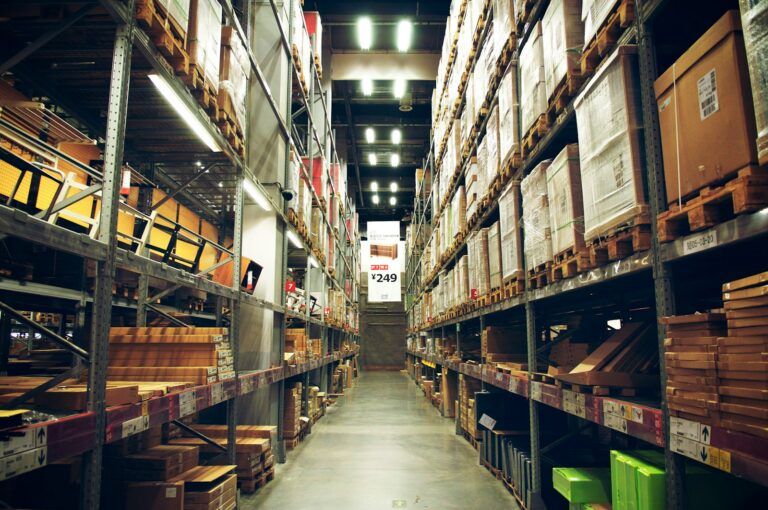
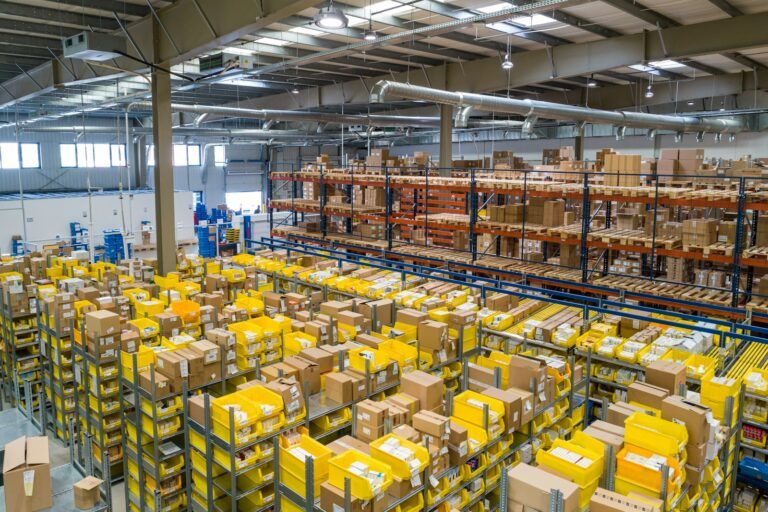
Dead stock is inventory that no longer sells. It sits on shelves or pallets for months, ties up cash and pays storage fees every month. Businesses usually set their own cut-off, for example no sales in the last 6 or 12 months. Stock that still sells, but slowly, is often called slow-moving stock and is the stage before dead stock.
Core principle: Every month a product sits unsold, it costs you storage, capital and space for products that do sell. Find dead stock early and act on it.
Common causes
Over-ordering
Buying too much to get a better unit price, or ordering without a demand forecast.
Seasonal and trend products
Products that only sell in one season or during a trend, such as fashion collections or holiday items.
Expiry and obsolescence
Food, cosmetics and supplements past or near their best-before date, and products replaced by a newer version.
Watch out for: Products close to expiry may no longer meet retailer or marketplace shelf-life rules, see FEFO.
Too many variants
Rarely bought sizes, colours or bundles that multiply the number of SKUs without adding sales.
What dead stock costs
- Storage fees per pallet or shelf location, every month.
- Capital tied up that could fund products that sell.
- Space and handling, including counting it in every stock count.
- Write-offs when stock must finally be discounted, donated or destroyed.
How to find and clear dead stock
- Run a stock age report from your WMS or inventory system and list SKUs with no sales in your chosen period.
- Check inventory turnover per SKU and flag products far below your average.
- Decide per SKU: bundle with bestsellers, discount, sell through outlet channels or marketplaces, return to the supplier, donate or recycle.
- Stop reordering and remove the SKU from automatic replenishment.
- Prevent it next time with demand-based safety stock, a sensible reorder point and ABC analysis.
Example: An apparel brand stores 40 pallets of last season’s jackets for a year. At an assumed €15 per pallet per month, storage alone costs €7,200 a year before any discount needed to sell them. Bundling and an end-of-season sale clear most of the stock, and the rest goes to an outlet marketplace.
See our guides to logistics costs and stock counting, or warehouse storage with Waredock.
Frequently asked questions
What is the difference between dead stock and slow-moving stock?
Slow-moving stock still sells, but slowly. Dead stock has stopped selling and is unlikely to sell at its normal price.
How long before inventory counts as dead stock?
There is no fixed rule. Many businesses use no sales in the last 6 or 12 months, depending on the product and season.
How do you get rid of dead stock?
Bundle it, discount it, sell it through outlet channels or marketplaces, return it to the supplier, donate or recycle it, and stop reordering it.
How can you prevent dead stock?
Order based on demand forecasts, review stock age regularly, limit low-selling variants and set safety stock and reorder points per SKU.