

Amazon is the world’s biggest online marketplace, but it is far from alone. From Walmart and Alibaba to Temu, Shein and Europe’s own champions such as Zalando and Allegro, these are Amazon’s main competitors in 2026, how they compete, and what sellers can learn from them.
Quick answer: Amazon’s biggest competitors are Walmart in physical and online retail, Alibaba (AliExpress, Taobao and Tmall), PDD Holdings’ Temu, Shein, eBay and Mercado Libre. In Europe, Zalando, Allegro, bol and OTTO lead their markets, while Shopify competes by powering brands’ own webshops.
Amazon’s main competitors at a glance
| Competitor | Type | Where it competes | How it competes |
|---|---|---|---|
| Walmart | Retailer and marketplace | US and other markets | Stores close to customers, groceries, fast pick-up and delivery |
| Alibaba (AliExpress, Taobao, Tmall) | Marketplaces | China, global | Huge seller base, low prices, cross-border shipping |
| Temu | Marketplace | US, Europe, global | Ultra-low prices, app-first, heavy marketing |
| Shein | Fashion platform and marketplace | US, Europe, global | Fast fashion at very low prices |
| eBay | Marketplace | US, UK, Germany, global | New, used, refurbished and collectables |
| Mercado Libre | Marketplace and payments | Latin America | Own logistics and payments in its home region |
| Shopify | Commerce platform | Global | Lets brands sell directly instead of on a marketplace |
| Zalando, Allegro, bol, OTTO | Marketplaces | Europe | Local leadership, language and service |
How big is Amazon?
Amazon runs dedicated online stores in most large European countries and in North America and Asia, and in Europe it reported 195.2 million average monthly active users of its store in the EU for the second half of 2025, under the EU Digital Services Act. Its strengths are selection, Prime delivery, and Fulfilment by Amazon (FBA), which stores and ships products for third-party sellers. Third-party sellers account for a large share of the products sold on Amazon.
Global online marketplaces
Alibaba Group
Alibaba runs China’s largest marketplaces, Taobao and Tmall, and AliExpress for cross-border sales. AliExpress is designated a very large online platform in the EU and increasingly ships from European warehouses to cut delivery times.
Temu
Owned by PDD Holdings, Temu grew rapidly in Europe and the US with very low prices and app-based shopping. It reported around 13.2 million monthly users in Poland alone in the first half of 2025. Since 1 July 2026 the EU charges a €3 customs duty per item on low-value parcels from outside the EU, which narrows the price gap with sellers shipping from EU stock.
Shein
Shein started as an ultra-fast fashion brand and now runs a third-party marketplace too. It reported 155.7 million average monthly active users in the EU between August 2025 and January 2026.
eBay
One of the oldest marketplaces, eBay is strong in the US, UK and Germany and in used, refurbished and collectable goods, where Amazon is weaker.
Mercado Libre
Latin America’s leading marketplace competes with Amazon by owning logistics and payments (Mercado Pago) in its home region.
Amazon’s competitors in Europe
- Zalando (fashion): 62 million active customers and €17.6 billion group GMV in 2025, after acquiring ABOUT YOU.
- Allegro (Poland and Central Europe): 21 million active buyers in 2025 and the default place to shop online in Poland.
- bol (Netherlands and Belgium): the Benelux leader, ahead of Amazon in its home market.
- OTTO (Germany): one of Germany’s largest marketplaces, opening to sellers from other EU countries.
- Vinted (second-hand): Europe’s leading resale marketplace, with €10.8 billion GMV in 2025.
See our full list of the top 30 online marketplaces in Europe.
Physical retailers going online
Walmart is Amazon’s biggest rival in the US, using its stores as local fulfilment hubs for groceries, pick-up and same-day delivery. In Europe, retailers such as Kaufland, MediaMarkt, Decathlon and Leroy Merlin have opened their own online marketplaces.
Social commerce and direct-to-consumer
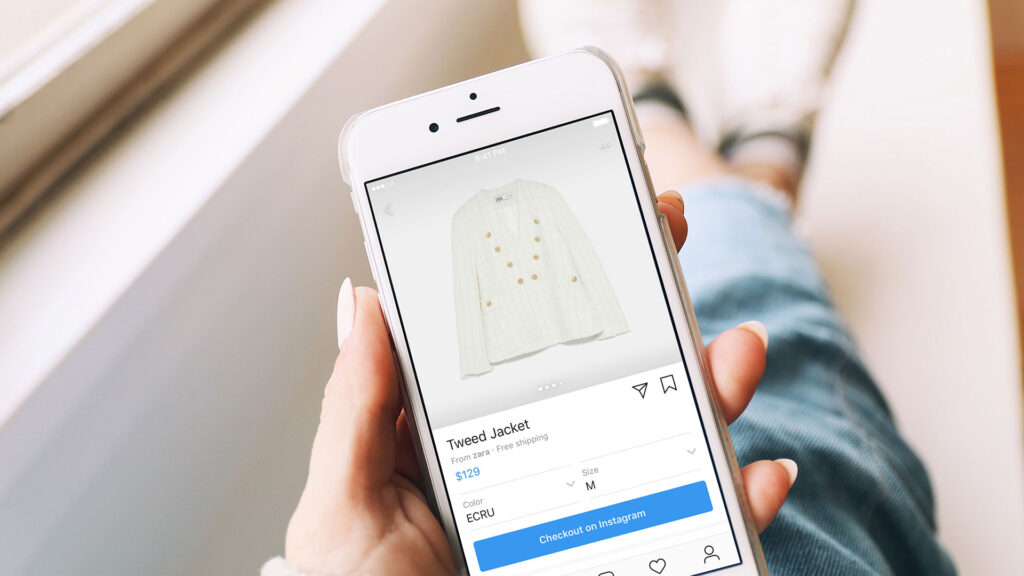
- Social commerce: TikTok Shop and Instagram let brands sell where customers discover products.
- Direct-to-consumer: Shopify, WooCommerce and similar platforms let brands own the customer relationship instead of renting it from a marketplace.
How brands compete with Amazon
- Be multi-channel. Combine Amazon with local marketplaces and your own webshop instead of relying on one platform.
- Match Amazon’s delivery promise. Fast, reliable delivery is the baseline, which usually means stock in or near your customers’ countries.
- Own your brand and data. A direct webshop builds loyalty and margins that marketplaces can’t.
- Win on service and niche. Expertise, curation and great returns beat a generic listing.
Frequently asked questions
Who is Amazon’s biggest competitor?
Globally, Walmart and Alibaba are usually seen as Amazon’s biggest competitors, with Temu and Shein growing fastest in recent years.
Who are Amazon’s main competitors in Europe?
Zalando in fashion, Allegro in Poland and Central Europe, bol in the Benelux, OTTO in Germany and Vinted in second-hand, plus Temu, Shein, AliExpress and eBay.
Is Temu a competitor of Amazon?
Yes. Temu competes on very low prices in the same categories, particularly home, gadgets and fashion, in both Europe and the US.
Is Shopify a competitor of Amazon?
Indirectly. Shopify does not run a single marketplace, but it lets brands sell directly to customers instead of through Amazon.
How can small brands compete with Amazon?
By selling across several channels, offering fast delivery from local stock, building a direct relationship with customers, and specialising in a niche.
Sources
Figures are taken from the sources below and were checked in September 2026. Market estimates from research firms are labelled as estimates in the text.