


Omnichannel fulfilment. Webshop, marketplace and retail orders from one stock.
Omnichannel order fulfilment for brands selling online, on marketplaces and through retailers. Parcels for consumers and cartons or pallets for stores ship from the same stock in our warehouses in Germany, the Netherlands, Poland, Spain and Estonia, with stock levels synced back to every channel.
Every channel, one fulfilment partner. No separate stock per channel.
Omnichannel fulfilment means one inventory serves all the places you sell, so a product sold in your shop, on a marketplace or to a retailer comes off the same shelf.
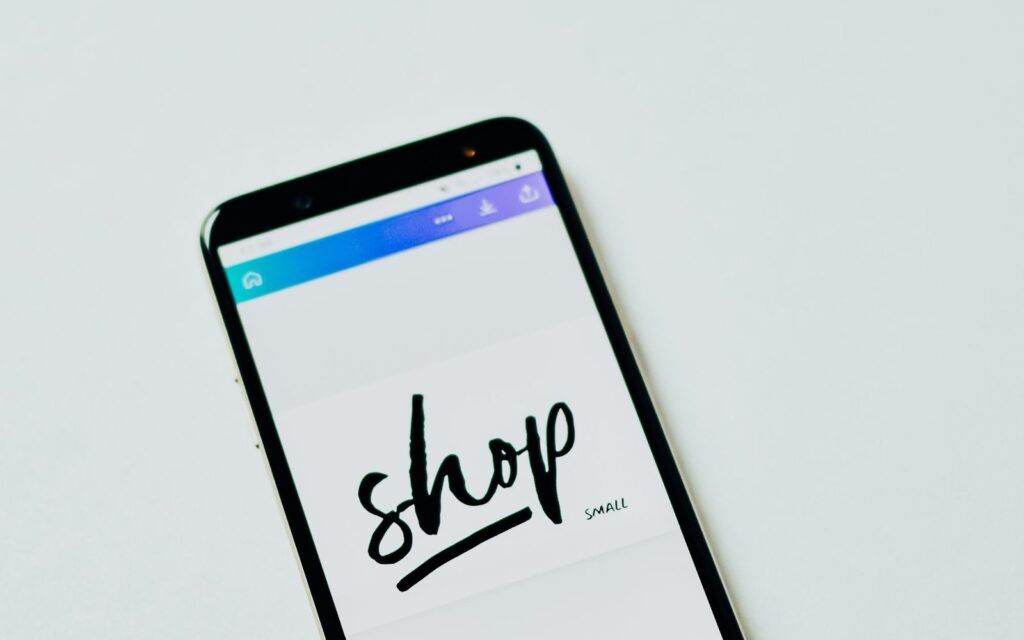
Direct-to-consumer orders
Orders from Shopify, WooCommerce, Magento or Shopware arrive automatically and ship the same day. See integrations.
Amazon, Allegro, eMAG and more
Marketplace orders follow each channel’s cut-off, carrier and tracking rules. See marketplace fulfilment.
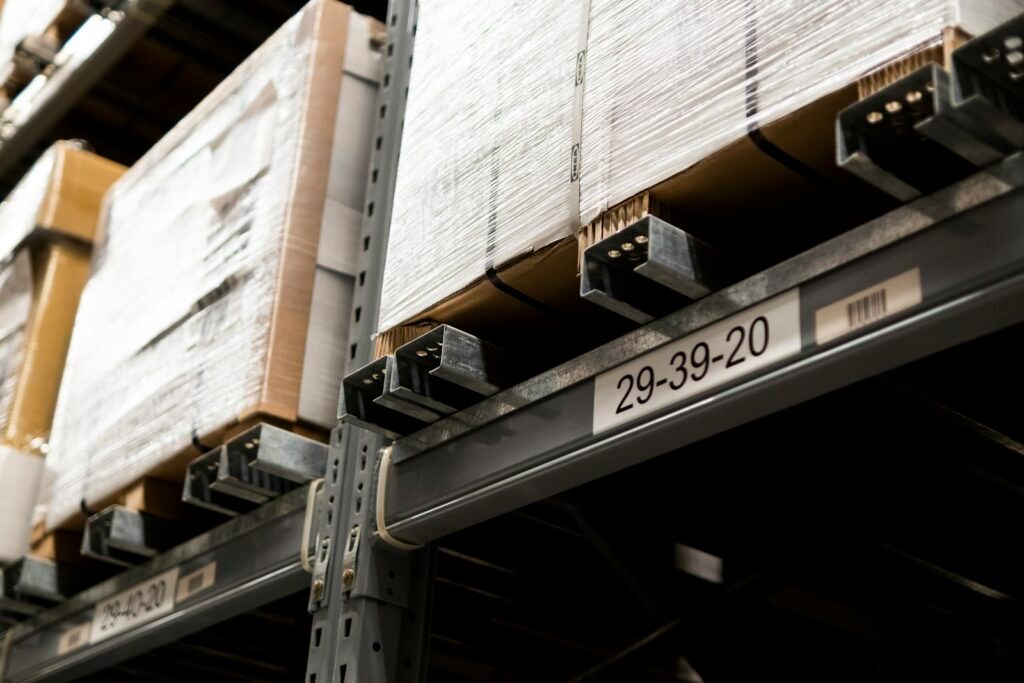
Store and distributor orders
Cartons and pallets packed and labelled to each retailer’s rules. See B2B fulfilment.
Back into the same stock
Returns from every channel are checked and resellable items go back on sale. See returns management.
What omnichannel order fulfilment fixes.
Selling in several places from separate stock leads to overselling on one channel while units sit unused for another. With omni fulfilment, every order draws from one shared inventory.
- Stock sync. Available stock is sent back to your shop and marketplaces, so you don’t sell what you don’t have.
- Order routing. Each order goes to the warehouse that holds the stock and delivers fastest.
- Channel rules. Packing, labels and carriers are set per channel and followed on every order.
Parcels and store orders, packed differently.
| Online orders (B2C) | Retail orders (B2B) | |
|---|---|---|
| Order size | 1–3 items | Cartons or pallets |
| Packing | Your box or mailer and inserts | Outer cartons to the retailer’s spec |
| Labels | Carrier label and tracking | Carton and pallet labels, delivery notes |
| Delivery | Home, locker or pickup point | Store or distribution centre, often booked slots |
Retail fulfilment solutions differ mainly in how well they handle these rules. See B2B logistics and retail compliance.
Deliver the way each customer buys.
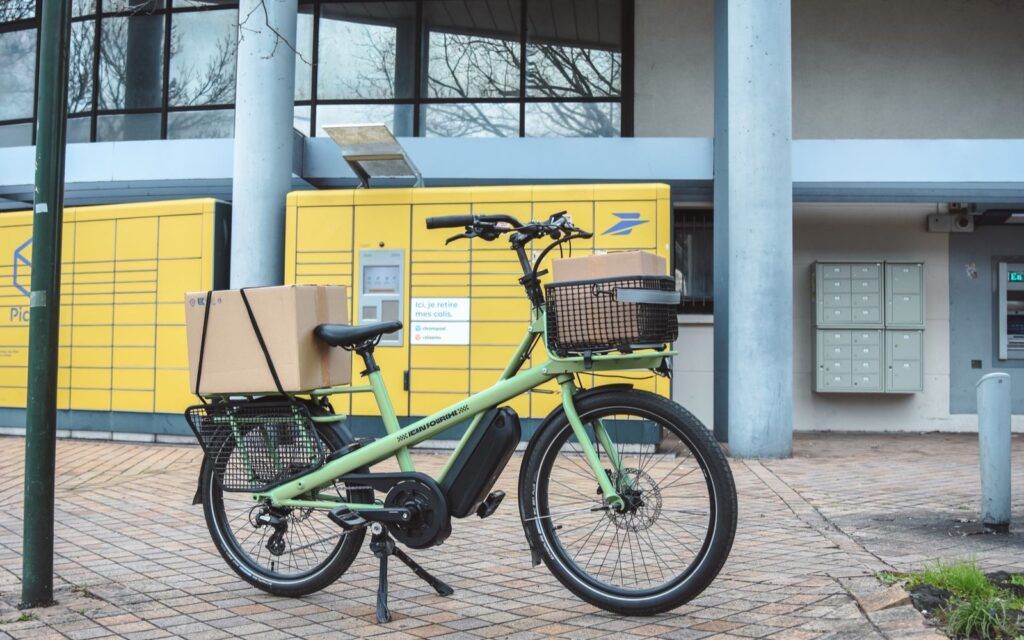
- Home delivery. National and cross-border parcel carriers, chosen per country.
- Lockers and pickup points. Out-of-home delivery where customers prefer it.
- Click and collect. Stock sent to your stores for click and collect orders.
- Store replenishment. Regular cartons and pallets to your own stores or retail partners.
From every channel to one warehouse.
- 01
Connect
Link your shop, marketplaces and B2B order flow.
- 02
Send stock once
One inbound, checked, counted and put away.
- 03
Orders flow in
Every channel’s orders reach the warehouse automatically.
- 04
Picked per channel
Parcels and cartons packed to each channel’s rules.
- 05
Ship and sync
Tracking and stock levels sent back to each channel.
Omnichannel without the stock headaches.
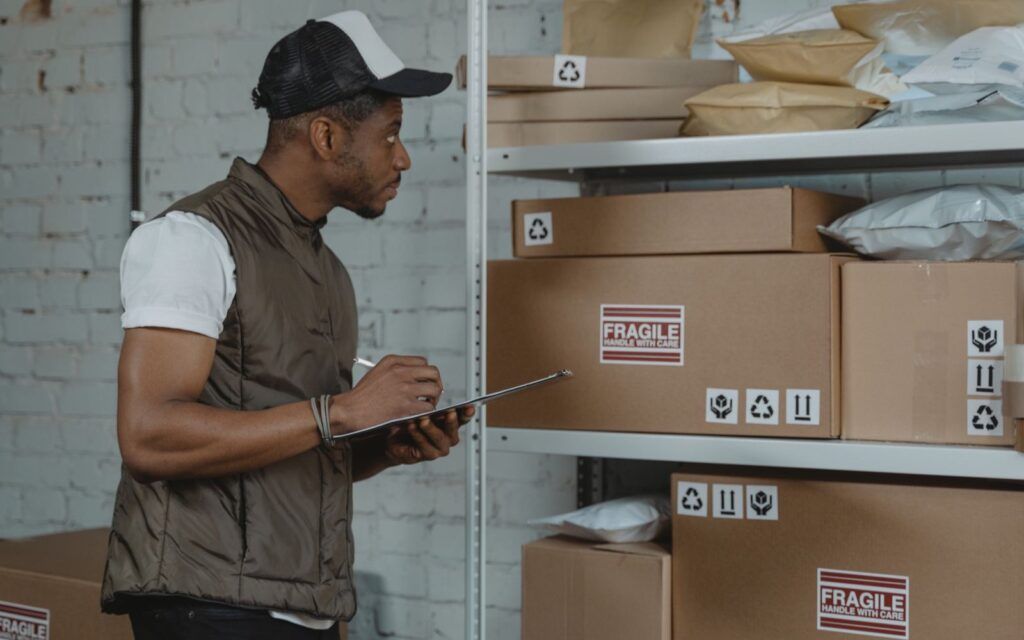
- One inventory. No buffer stock per channel, fewer oversells.
- Fast. Same-day dispatch for orders before cut-off.
- Retail-ready. Carton and pallet orders from the same shelves as your parcels.
- European. Warehouses serving seven countries, close to your customers.
- Visible. Our team and AI agents work together in one platform, where you see every order, unit and shipment.
Choose where your stock sits.
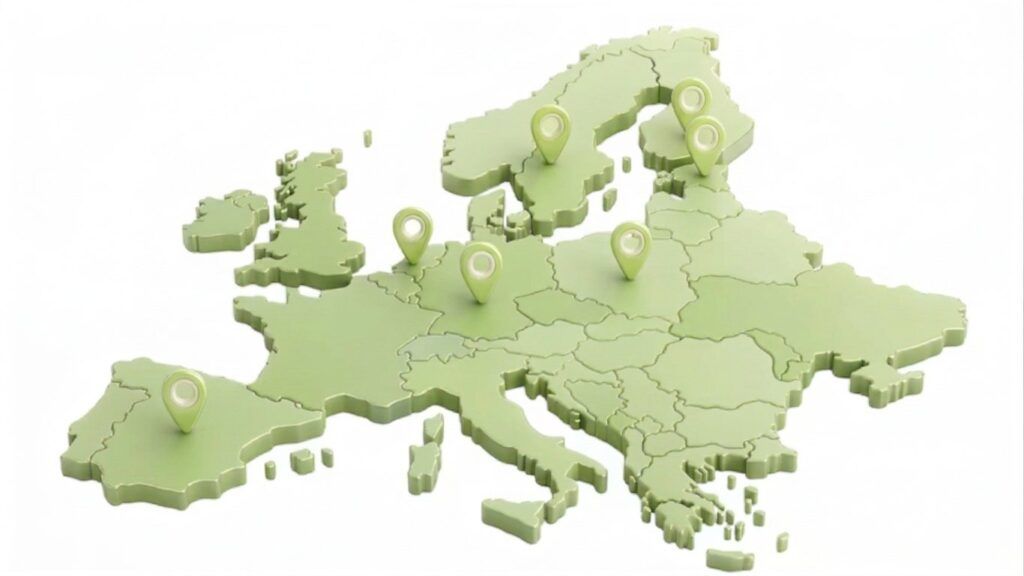
Fulfil every channel from Germany, the Netherlands, Poland, Spain or Estonia, with Sweden and Finland served from Estonia. Split stock across countries and each order ships from where it delivers fastest. See eCommerce fulfilment in Europe.
Omnichannel fulfilment: common questions.
Guides: What is retail? · What is click and collect? · FBA vs FBM in Europe · Best eCommerce fulfilment companies in Europe
What is omnichannel fulfilment?
Omnichannel fulfilment means shipping orders from all your sales channels, such as your webshop, marketplaces, retail stores and wholesale customers, from one shared inventory. Stock levels are synced to every channel, so customers see what is really available wherever they buy.
What is the difference between multichannel and omnichannel fulfilment?
Multichannel fulfilment often runs each channel separately, sometimes with separate stock. Omnichannel fulfilment, also called omni fulfillment, connects them: one inventory, one set of stock levels and one partner for parcels, store orders and returns.
How does omnichannel order fulfilment work?
Your shop, marketplaces and B2B orders are connected to the warehouse system. Orders arrive automatically, are picked from the same stock and packed to each channel’s rules, and tracking and updated stock levels are sent back to each channel.
What is retail fulfilment?
Retail fulfilment is preparing and delivering orders for physical stores and retailers: cartons and pallets packed, labelled and delivered to each retailer’s requirements, often to booked delivery slots at a distribution centre.
Can you ship B2C and B2B orders from the same stock?
Yes. Consumer parcels and carton or pallet orders for retailers and wholesalers are picked from one inventory, so you don’t need separate stock for each business.
Which sales channels can you connect?
Shopify, WooCommerce, Magento and Shopware webshops, marketplaces such as Amazon, Allegro and eMAG, and B2B orders from retailers and distributors. Ask us about other channels when you request a proposal.