
What is retail?
Retail is the sale of goods, and sometimes services, in small quantities directly to end consumers for their own use. A retailer buys products from manufacturers, brands or wholesalers, holds them in stock and sells them to shoppers through stores, webshops, marketplaces or apps. Retail is the last step in the supply chain, where products reach the people who use them.
The word comes from the Old French retaillier, “to cut off a piece”: retailers break large deliveries into single items that a household can buy. Supermarkets, fashion chains, drugstores, electronics stores, online shops and marketplaces such as Amazon or Zalando are all part of retail.
Core principle: Retail sells single items to consumers. Wholesale sells large quantities to businesses. The products can be the same; the customer and the order size are different.
Types of retail
Brick-and-mortar retail
Physical stores and branches, from small independent shops to supermarket and department store chains. Shoppers can see, touch and take products home straight away.
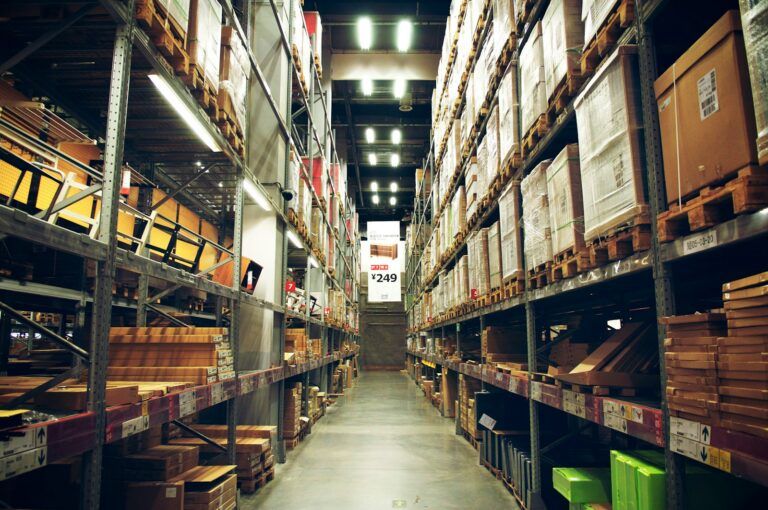
Why it matters: Stores are restocked with cartons and pallets from distribution centres, often several times a week.
Online retail (eCommerce)
Selling through a webshop, where orders are picked, packed and shipped as parcels to the customer’s home or a pickup point.
Why it matters: Delivery speed, packaging and easy returns are part of the product.
Marketplaces
Platforms such as Amazon, bol, Allegro or Zalando, where many sellers reach shoppers through one site. The marketplace may sell its own stock as a retailer, let third-party sellers list products, or both. See the top online marketplaces in Europe.
Mobile and social commerce
Shopping through apps and social platforms. It is now a large share of online retail, especially in fashion, beauty and impulse buys.
Omnichannel retail
One retailer connecting stores, webshop, marketplaces and apps, so shoppers can buy online and collect in store, return online orders to a shop, or see store stock online.
Watch out for: Omnichannel only works with one accurate view of stock across all channels.
Retail vs wholesale
| Retail | Wholesale | |
|---|---|---|
| Customer | End consumers (B2C) | Businesses: retailers, resellers, hotels, offices (B2B) |
| Order size | Single items | Cartons, pallets, full trucks |
| Prices | Retail price, including VAT | Lower unit prices, volume discounts, prices excluding VAT |
| Payment | Card, wallet, invoice at checkout | Invoice with payment terms, often 30 days or more |
| Logistics | Parcels or store replenishment | Pallet and carton deliveries with delivery slots and paperwork |
For the full comparison of retailers, wholesalers, distributors and resellers, see retailer vs wholesaler vs distributor vs reseller.
Retail logistics
Retail logistics is everything that gets products from the supplier to the shelf or the shopper’s door. It usually has three flows:
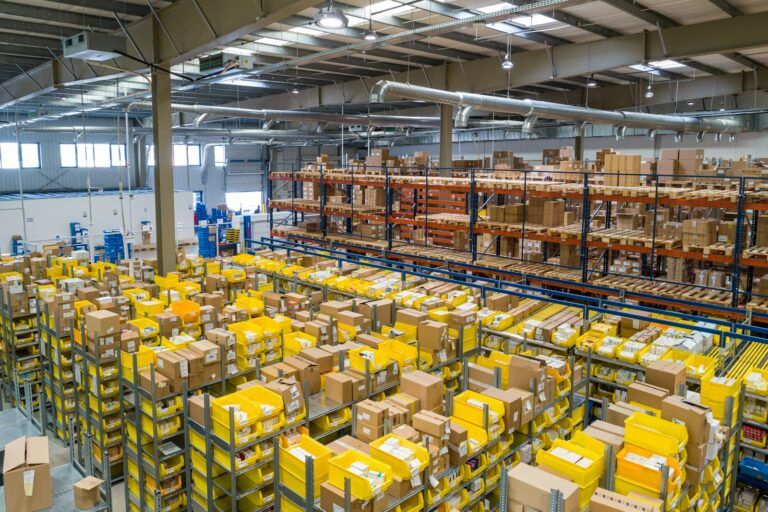
- Inbound and storage: goods arrive from suppliers, often on pallets, and are stored in a distribution centre or pallet storage.
- Store replenishment: cartons and pallets go to stores or the retailer’s own warehouses. Large retailers set strict rules for this: delivery slots, SSCC pallet labels, advance shipping notices via EDI and fines for mistakes. See B2B fulfilment for retailers.
- Online orders and returns: single items are picked, packed and shipped to consumers, and returns are checked and put back in stock. See eCommerce fulfilment in Europe.
Example: A skincare brand sells through its own webshop and has just been listed by a drugstore chain in Germany. From one stock in a German warehouse, single orders go out as parcels every day, while the chain’s weekly orders leave as labelled pallets booked into the retailer’s delivery slots. The brand sees both channels in one stock overview and never sells the same unit twice.
Retail in Germany and Europe
Germany is one of the largest retail markets in Europe. Grocery is led by Edeka, Rewe, the Schwarz Group (Lidl and Kaufland) and Aldi, drugstores by dm and Rossmann, and online retail by Amazon.de, OTTO and Zalando. German shoppers expect fast, free delivery, easy returns and the option to pay by invoice. Read more in our guide to eCommerce fulfilment in Germany.
Across Europe, retailers increasingly sell in several countries, through their own webshops and cross-border marketplaces, and compete with fast-growing platforms from outside the EU.
Trends in retail
- Omnichannel as standard: click and collect, ship from store and returns to any channel.
- Faster delivery: next-day delivery is expected in most of Western Europe, which pushes stock closer to customers.
- Retail media: retailers and marketplaces sell advertising on their own sites and apps, using their shopper data.
- Sustainability and packaging rules: the EU Packaging and Packaging Waste Regulation applies from 12 August 2026 and sets new rules on packaging design, empty space and recycling.
- AI in retail: demand forecasting, automated replenishment and AI shopping assistants.
Frequently asked questions
What does retail mean?
Retail means selling goods in small quantities directly to end consumers for their own use, through stores, webshops, marketplaces or apps.
What is a retail store?
A physical shop that sells products to consumers, such as a supermarket, fashion store, drugstore or electronics store.
What is online retail?
Selling products to consumers over the internet, through a webshop, marketplace or app, with delivery to the customer’s home or a pickup point.
What is a retail customer?
A private person who buys products for their own use rather than to resell them or use them in a business.
What is the difference between retail and wholesale?
Retail sells single items to consumers; wholesale sells large quantities, usually by the carton or pallet, to businesses that resell or use the goods.
What are retail services?
Services that support selling to consumers, such as store replenishment, eCommerce fulfilment, returns handling, retail displays and customer service. The term also covers consumer-facing services such as repairs or alterations.