
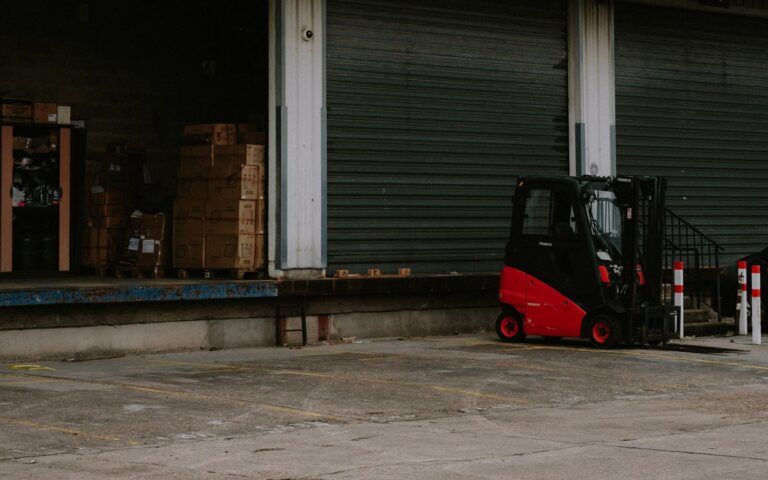

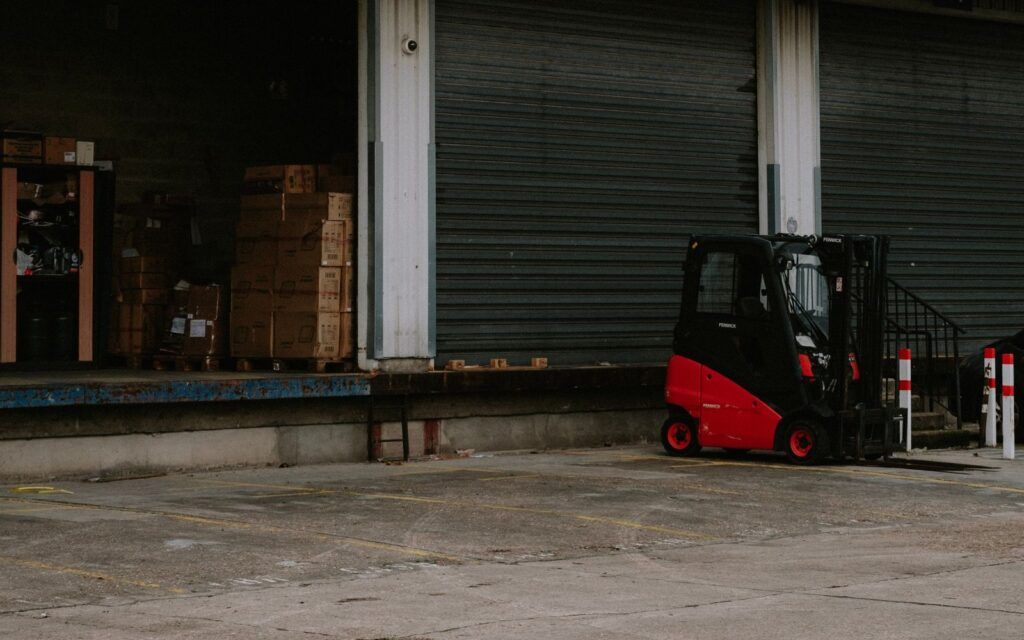
Every product an online brand sells makes two journeys: one into the warehouse and one out to the customer. Inbound logistics brings goods from suppliers into stock; outbound logistics gets orders from stock to customers. This guide explains the difference, the steps and KPIs on each side, where costs hide, and how the two depend on each other.
Quick answer: Inbound logistics covers purchasing, freight, customs, receiving and put-away: everything from the supplier to available stock. Outbound logistics covers order processing, picking, packing, shipping and delivery: everything from stock to the customer. The warehouse is where they meet, and a problem on one side always shows up on the other.
\n
Inbound vs outbound logistics: key differences
| Inbound logistics | Outbound logistics | |
|---|---|---|
| Direction | Supplier → warehouse | Warehouse → customer |
| Partners | Suppliers, freight forwarders, customs brokers | Customers, carriers, marketplaces, retailers |
| Typical loads | Containers, full pallets, master cartons | Parcels, or cartons and pallets for retailers |
| Rhythm | Fewer, larger deliveries, planned weeks ahead | Many small orders every day, often unplanned |
| Main goal | Stock available at the lowest landed cost | Fast, accurate, affordable delivery |
| Main costs | Freight, duties, import VAT, receiving | Picking, packaging, shipping, returns |
| Who notices problems | Your team, through stock-outs weeks later | Your customers, straight away |
Inbound logistics: from supplier to stock
1. Purchasing
Inbound starts with a purchase order. Good brands don’t reorder on gut feeling: a reorder point per SKU, based on sales speed, lead time and safety stock, tells them when to order and how much.
2. Freight
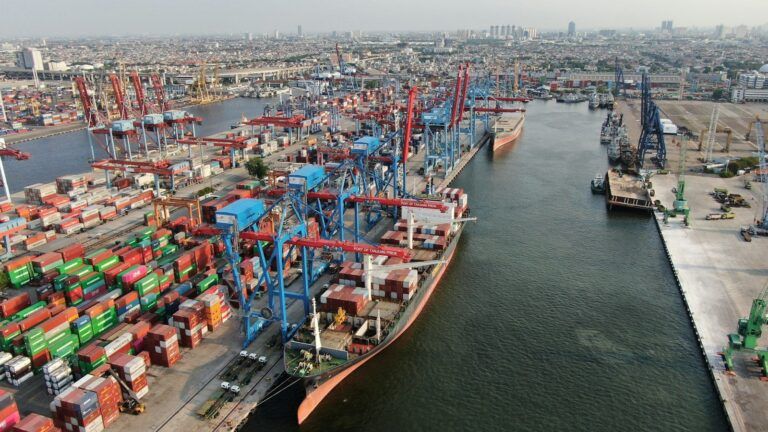
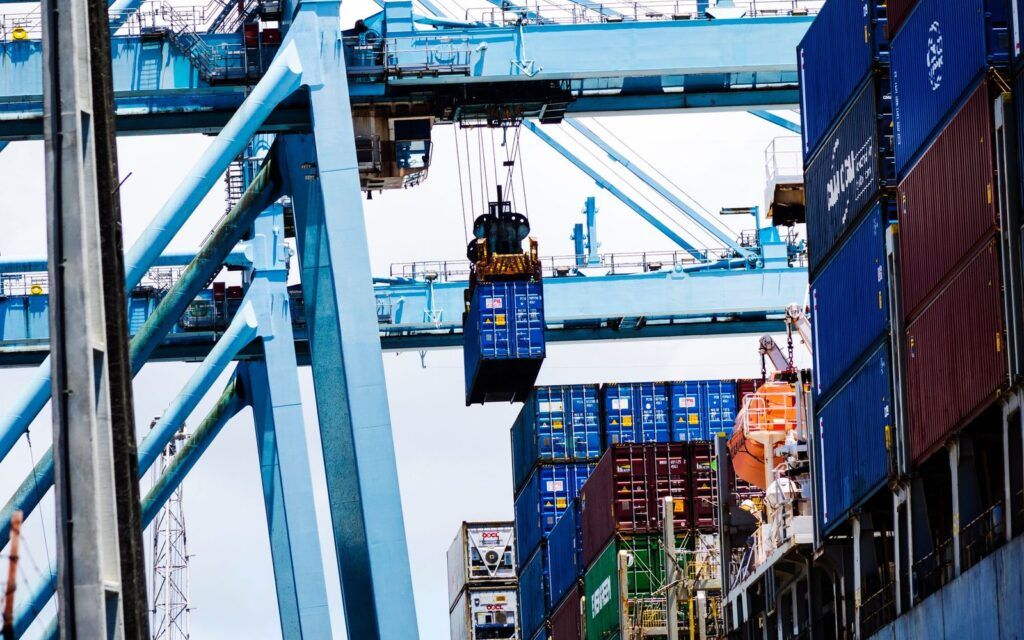
Goods from Asia usually travel by sea, as a full container (FCL) or shared container (LCL), with air freight for urgent or high-value items. Within Europe, road freight dominates. The Incoterms in your supplier contract decide who pays for and controls each leg.
3. Customs and import
Goods from outside the EU need an import declaration, your EORI number, the right HS codes, and payment of duties and import VAT. Since 2024–2025, carriers also file safety data in ICS2 before the goods arrive, so vague descriptions can hold up a container before it even sails.
4. Receiving
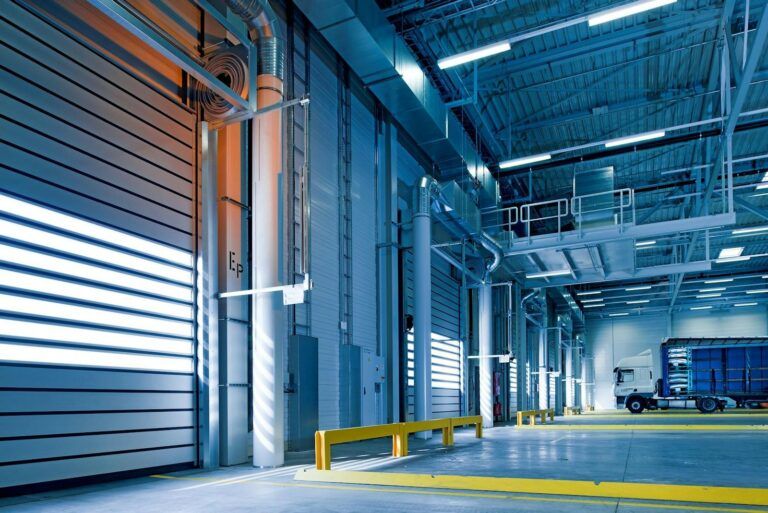
At the warehouse, goods are unloaded, counted against the advance notice, checked for damage and labelled where needed. See receiving dock.

5. Put-away
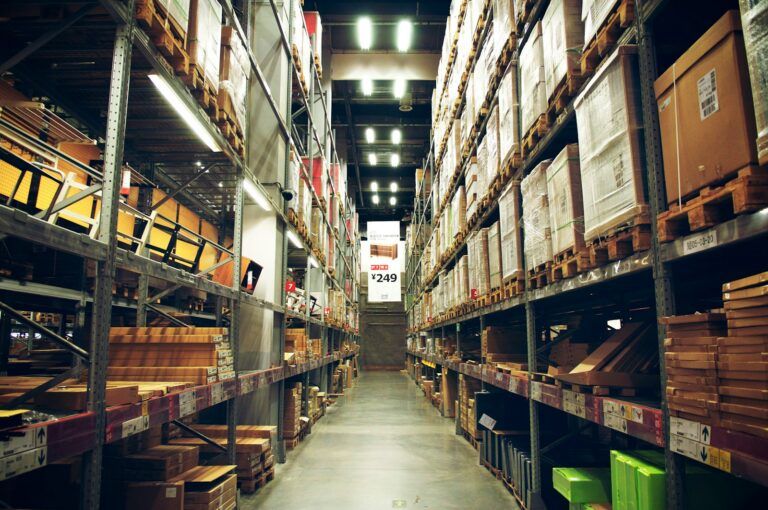
Stock is moved to its storage location and becomes available to sell. The time from arrival to available stock is the dock-to-stock time, often one to three working days.
Outbound logistics: from stock to customer
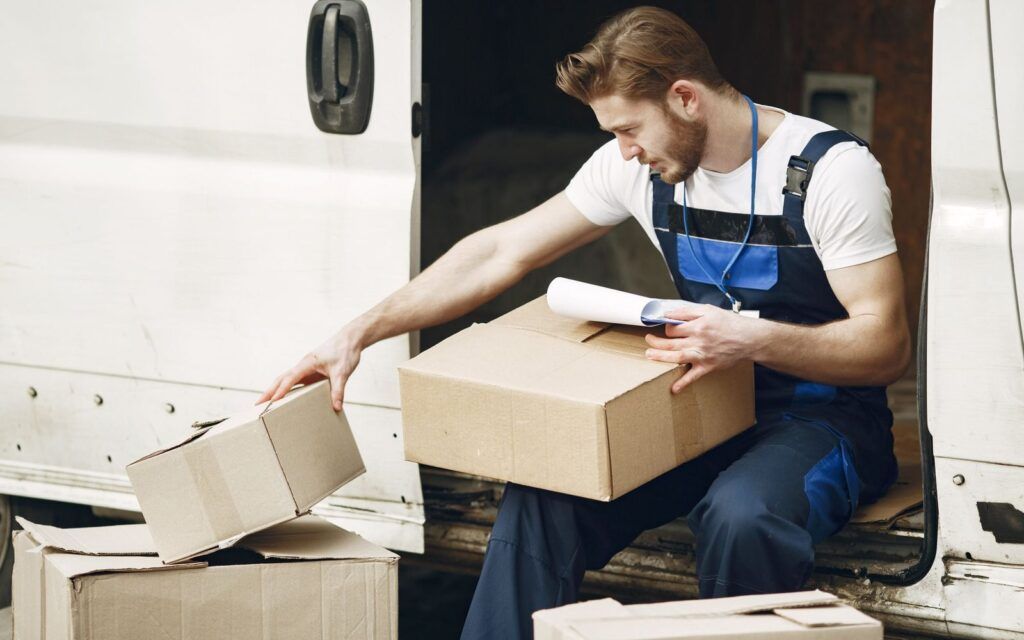
1. Order processing
Orders arrive from your webshop, marketplaces or retailers and are released to the warehouse automatically, with the right carrier and service already chosen.
2. Picking and packing
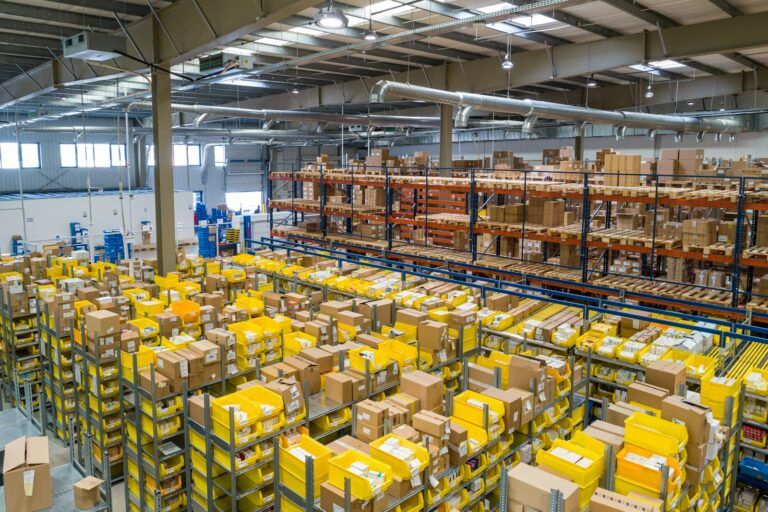
Items are picked from their locations, scanned against the order and packed with the right box, filling and inserts. See pick and pack.
3. Shipping
Parcels are handed to carriers at agreed collection times. Between hubs they travel by line haul; for retailers, pallets go out with SSCC labels and advance shipping notices.
4. Delivery and tracking
The last mile takes the parcel to the customer’s door, pickup point or locker, with track and trace updates along the way.
5. Returns
Returns flow the other way, as reverse logistics: from customer back to warehouse, where items are checked and restocked.
KPIs for inbound and outbound logistics
| Inbound KPIs | Outbound KPIs |
|---|---|
| Supplier on-time delivery | Order cycle time (order to dispatch) |
| Dock-to-stock time | Fill rate |
| Receiving accuracy | Perfect order rate |
| Landed cost per unit | On-time delivery rate |
| Freight cost per unit | Fulfilment and shipping cost per order |
How inbound and outbound depend on each other
- Late inbound becomes lost outbound: a container held at customs for a week turns into out-of-stock products and cancelled orders a few weeks later.
- Bad receiving data breaks picking: if cartons are booked in with the wrong quantity or without barcodes, pickers can’t find what the system promises.
- Outbound sets the inbound plan: sales speed per product and country decides how much to order and which warehouse to send it to.
- Packaging starts inbound: asking suppliers for shipper-ready cartons or pre-labelled products saves handling on every outbound order.
Example: A homeware brand imports a container from Asia every six weeks. One shipment is delayed by ten days at the port. Its warehouse sees the delay in the inbound plan, the brand pauses ads for the affected products and switches its webshop to show a later delivery date. Instead of a week of cancellations, it loses a few days of sales and keeps its marketplace ratings.
Outsourcing inbound and outbound logistics
Many online brands outsource both sides to one partner. A fulfilment provider receives containers and pallets, stores them and ships every order, so the handover between inbound and outbound happens in one system. With eCommerce fulfilment in Europe from Waredock, our team and AI agents work together on both flows: inbound plans and stock arrive in one platform, and orders ship the same day from the warehouse closest to your customers. Brands with large pallet volumes can also use pallet storage in the Netherlands and Germany.
Frequently asked questions
What is the difference between inbound and outbound logistics?
Inbound logistics brings goods from suppliers into the warehouse; outbound logistics delivers goods from the warehouse to customers.
Is receiving inbound or outbound?
Inbound. Receiving is the last step of inbound logistics before stock can be sold.
Are returns inbound or outbound logistics?
Neither: returns are reverse logistics, although they arrive at the warehouse like inbound goods.
Which is more important, inbound or outbound logistics?
Both. Customers see outbound, but most outbound problems, such as stock-outs and wrong items, start on the inbound side.
What are examples of inbound and outbound logistics?
Inbound: importing a container from a supplier and booking it into stock. Outbound: picking, packing and shipping an online order to a customer.