

What is inbound logistics?
Inbound logistics is everything that brings goods into your business: ordering from suppliers, transporting the goods, clearing customs for imports, and receiving and storing them in the warehouse. It ends when the stock is counted, checked and available to sell.
Core principle: Good inbound logistics means the right stock arrives on time, in the right condition and at the lowest landed cost.
Inbound logistics steps
- Purchasing: a purchase order to the supplier, triggered by a reorder point.
- Freight: sea, air, rail or road transport, by full container or truck or as part of a shared load.
- Customs: for imports from outside the EU, customs clearance and payment of duties and import VAT.
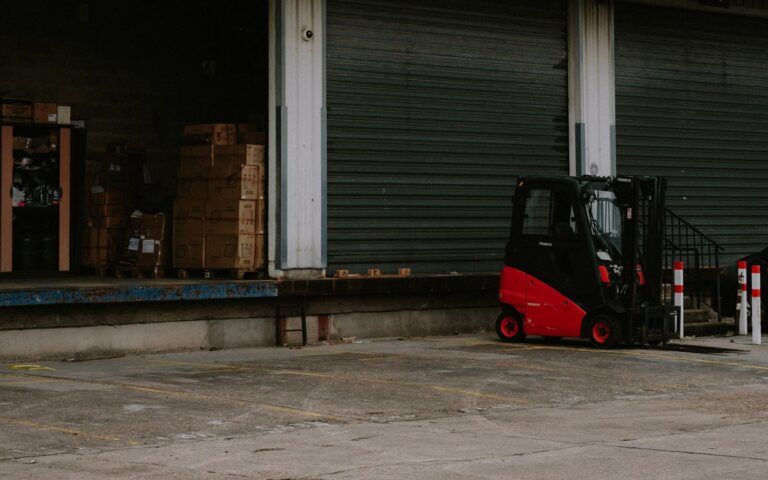
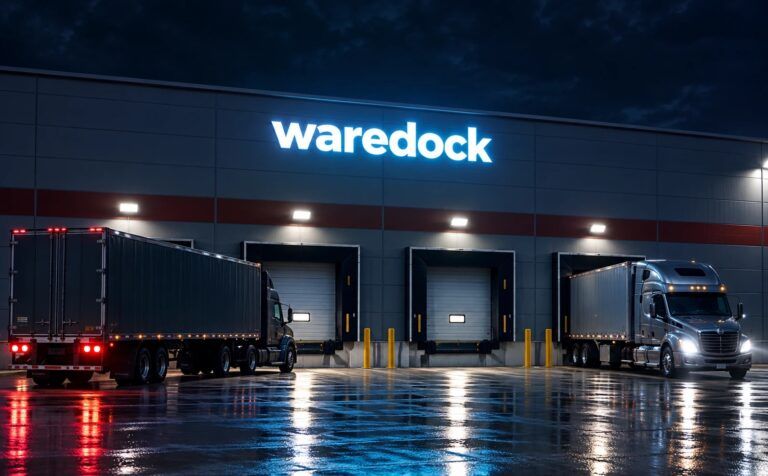
- Receiving: unloading at the receiving dock, counting, quality checks and labelling.
- Put-away: moving stock to its storage location so it can be picked.
Inbound logistics KPIs
- Supplier lead time and how often it is met
- Dock-to-stock time: from arrival to available stock
- Receiving accuracy: deliveries that match the purchase order
- Landed cost per unit
Example: A brand orders 5,000 units from a factory in Vietnam. The goods travel by sea to Rotterdam, are cleared through customs, trucked to the fulfilment warehouse and booked into stock within two days of arrival. All of that is inbound logistics.
Inbound logistics is the counterpart of outbound logistics. For a full comparison, see inbound vs outbound logistics.
Frequently asked questions
What is inbound logistics?
The flow of goods from suppliers into your warehouse, from purchasing to put-away.
What is an example of inbound logistics?
Importing a container of products from a supplier, clearing it through customs and receiving the stock into a warehouse.
Is receiving part of inbound logistics?
Yes. Receiving is the last step of inbound logistics before stock can be sold.