

What is track and trace?
Track and trace is the process of following a shipment or product through the supply chain and recording where it has been. Tracking shows where something is right now: its current location and status. Tracing looks backwards: where it came from, which steps it went through and who handled it.
For most people, track and trace means following a parcel with a tracking number, from the moment the shop hands it to the carrier until it is delivered. In logistics and manufacturing, the term also covers pallets, containers and air freight, and tracing products back to their batch or factory, for example in a product recall.
Core principle: Every time a shipment is scanned, a status event is recorded. Track and trace turns those events into one timeline that the shipper, the carrier and the customer can see.
Tracking vs tracing
| Tracking | Tracing | |
|---|---|---|
| Question | Where is it now? | Where has it been, and where did it come from? |
| Direction | Forwards, in real time | Backwards, through the history |
| Typical use | Delivery updates for customers | Lost parcels, claims, recalls, compliance |
| Data | Latest scan, location, expected delivery | All scans, batch and lot numbers, handlers, timestamps |
How track and trace works
1. A unique ID
Each parcel gets a tracking number, also called a track and trace code, printed as a barcode on the shipping label. Pallets carry an SSCC label, air freight an air waybill number, and containers a container number.
2. Scans along the way
The ID is scanned at every step: pickup at the warehouse, sorting hubs, line-haul, the local depot, out for delivery and delivery. Trucks and containers may also send GPS positions.
3. Status events
Each scan creates an event with a time, place and status, such as “in transit” or “delivered”. Carriers share these events through their tracking pages, APIs or EDI.
4. Customer updates
The shop or fulfilment provider sends the tracking link to the customer and can push email or SMS updates for each step.
Why it matters: Proactive updates cut “where is my order?” questions, one of the most common reasons customers contact eCommerce support.
Common tracking statuses
| Status | What it means |
|---|---|
| Label created | The shop has created the shipping label, but the carrier doesn’t have the parcel yet |
| Picked up / shipped | The carrier has collected the parcel from the warehouse (see what “order shipped” really means) |
| In transit | The parcel is moving between sorting hubs |
| Out for delivery | The parcel is on the delivery vehicle and should arrive that day |
| Delivery attempted | Nobody was home; the parcel may go to a neighbour, a pickup point or another attempt |
| Delivered | The parcel has been delivered, often with a signature or photo as proof |
| Exception | Something went wrong: damage, wrong address, customs hold or delay |
Track and trace in different areas
Parcel shipping
Every major carrier, including DHL, DPD, GLS, Hermes and UPS, gives each parcel a track and trace code. Shoppers enter it on the carrier’s website or app, or click the link in their shipping email. To find the right carrier from a number, see our guide to tracking numbers and carrier formats.
Freight and global shipments
Global track and trace follows pallets, containers and air cargo across borders, often through several carriers. Shippers use the container number, bill of lading or house air waybill, and customs milestones such as clearance are part of the timeline.
Product traceability
Manufacturers and retailers record batch and lot numbers so they can trace every product back to its source and recall it quickly if needed. For some goods this is required by law: in the EU, tobacco products and prescription medicines carry unique identifiers that are tracked through the supply chain.
Warehousing
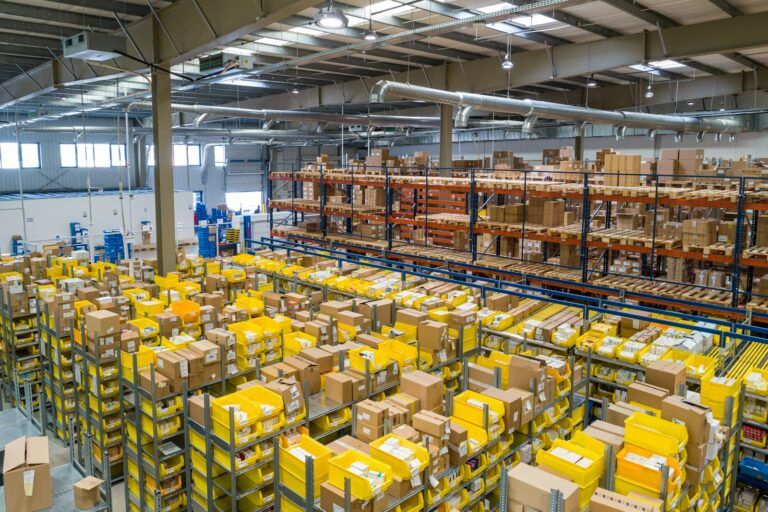
Inside the warehouse, scans record each receipt, storage location, pick and pack, so every order can be traced back to the stock and the staff member that handled it.
Why track and trace matters for online brands
- Fewer support tickets: customers check the status themselves instead of emailing.
- Faster problem-solving: delays, damage and failed deliveries show up early, so you can act before the customer complains.
- Proof for claims: scan history and proof of delivery help with lost-parcel claims and chargebacks.
- Better carrier choice: tracking data shows which carrier delivers on time in each country.
- Marketplace rules: Amazon, Zalando and other marketplaces require valid tracking for every order.
Example: A fashion brand ships from a warehouse in Germany to customers across the EU. Each order gets a tracking number when the label is printed, the tracking link is sent automatically to the shopper, and the brand’s dashboard shows every parcel with an exception status. When a parcel to Austria is stuck at a depot for two days, the team spots it and contacts the carrier before the customer even asks.
With eCommerce fulfilment from Waredock, every order is shipped with tracking, and you can follow orders, stock and returns live on one platform.
Frequently asked questions
What does track and trace mean?
Following a shipment through the supply chain (tracking) and being able to see the full history of where it has been (tracing).
What is a track and trace code?
The unique tracking number a carrier gives a parcel. You enter it on the carrier’s website or app to see the shipment status.
What is the difference between track and trace?
Track shows where a shipment is now. Trace shows where it has been and where it came from.
How do I track a parcel in Germany?
Use the tracking link in your shipping email, or enter the track and trace code on the carrier’s website or app, for example DHL, Hermes, DPD, GLS or UPS.
What is global track and trace?
Tracking shipments across countries and transport modes, such as sea, air and road, often across several carriers, in one view.
Why is my tracking not updating?
Often the label has been created but the carrier hasn’t scanned the parcel yet, or it is in transit between hubs with no new scan. If nothing changes for several days, contact the shop or carrier.