


What is pick and pack?
Pick and pack (also written pick & pack or pick-pack) is the core of e-commerce fulfilment. When an order comes in, a warehouse worker or robot picks the ordered items from their storage locations, then a packer checks them, packs them into a box or mailer with any inserts, and labels the parcel for the carrier.
It is also the most common way 3PLs charge for fulfilment: a fee per order for the first item, plus a smaller fee for each additional item.
Core principle: Speed and accuracy. A fast pick and pack process gets orders out the same day; an accurate one avoids the cost of returns and reshipments.
Step by step
- Order received: the order arrives from your shop or marketplace in the warehouse management system.
- Picking: a pick list or scanner directs the picker to each item’s location. See picking for methods such as batch, zone and wave picking.
- Check: items are scanned against the order to catch wrong products, sizes or quantities.
- Packing: the packer chooses the right box or mailer, adds protective material, inserts and invoices, and seals the parcel.
- Labelling and dispatch: the shipping label is printed, tracking is sent to the shop, and the parcel goes to the carrier.
Where picking happens: the pick warehouse
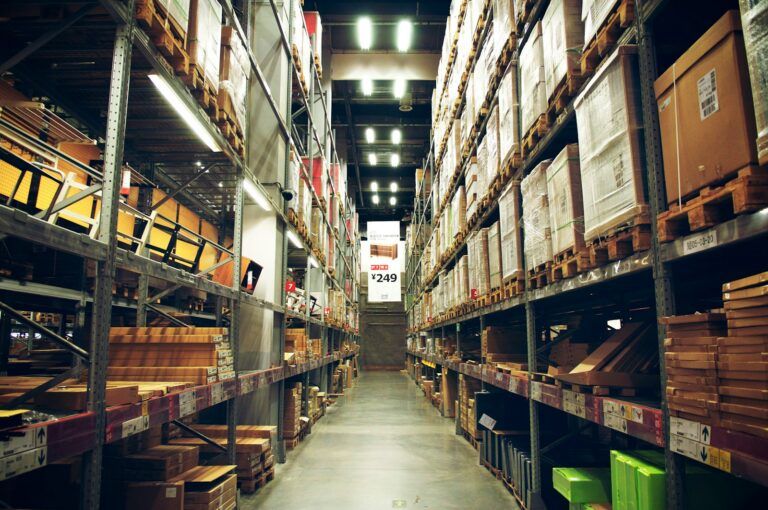
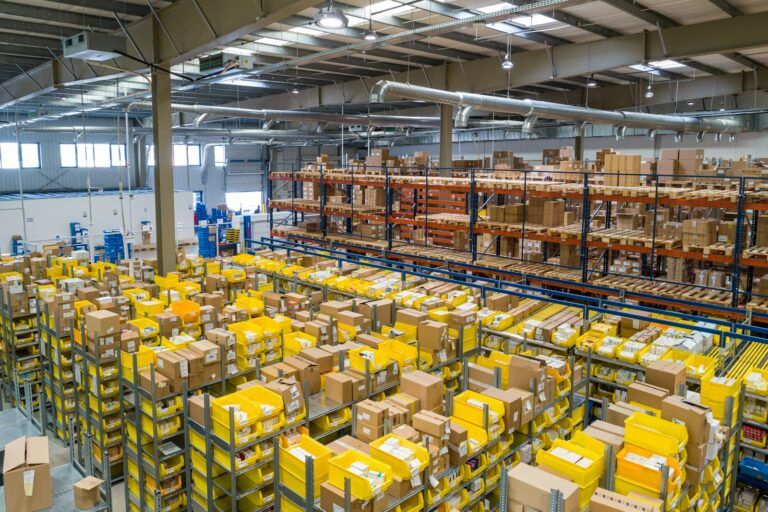
In a fulfilment centre, products sit in two kinds of locations. Pick locations (also called pick faces or forward locations) hold a small amount of each product on shelves or in bins close to the packing stations, so pickers walk as little as possible. Reserve storage, usually pallet racking, holds the rest. When a pick location runs low, stock is moved from reserve into it, which is called replenishment. A warehouse or area laid out this way is often called a pick warehouse.
Pick and pack vs pick, pack and ship
The terms are used almost interchangeably. Pick and pack covers collecting and packing the items; pick, pack and ship adds labelling and handing the parcel to the carrier. Most 3PLs include shipping in their pick and pack fulfilment, but check whether the carrier rate is part of the price or charged separately.
How pick and pack is priced
| Fee | What it covers |
|---|---|
| First pick | Handling the order and picking the first item |
| Additional pick | Each extra item or unit in the same order |
| Packaging | Boxes, mailers, fillers and tape, unless you supply your own |
| Extras | Inserts, gift wrapping, kitting, printed invoices, custom packaging |
When comparing quotes, add up all four for your typical order, not only the first-pick fee.
What affects speed and cost
Cut-off time
Orders received before the cut-off are shipped the same day.
Why it matters: A later cut-off means faster delivery for your customers.
Barcodes on every item
Scanning at pick and pack prevents mistakes.
Watch out for: Products without barcodes need labelling first, which costs time and money.
Packaging requirements
Branded boxes, tissue paper and handwritten notes take longer than a standard mailer.
Watch out for: Extra packaging steps add time and cost, so agree instructions and price upfront.
Example: A jewellery brand’s average order has two items. Each piece is taken from its protective bag, placed in a branded box with a thank-you card, and packed in a padded mailer. The fulfilment centre charges a first pick, one additional pick and a fee for the box assembly, which the brand includes in its delivery pricing.
Choosing a pick and pack service
- Accuracy: ask how items are checked; barcode scanning at both picking and packing is the standard.
- Cut-off time: the later the cut-off, the more orders leave the same day.
- Packaging: check that the provider can use your branded boxes and inserts, and what that costs per order.
- Channels: webshop, marketplace and B2B orders should all be picked from one stock.
- Location: pick and pack close to your customers shortens delivery times.
Looking for pick and pack services in Europe? Waredock picks, checks and packs eCommerce and B2B orders the same day from warehouses in Germany, the Netherlands, Poland, Spain and Estonia. See pick and pack services.
Frequently asked questions
What is the difference between picking and packing?
Picking is collecting the ordered items from storage. Packing is checking, protecting and boxing them for shipment.
How much does pick and pack cost?
It depends on order size, packaging and volume. Most providers charge a first-pick fee per order plus a fee for each additional item.
Can a fulfilment centre use my branded packaging?
Usually yes. You supply the boxes, cards or inserts, and the provider charges for any extra handling time.
What is a good pick and pack accuracy rate?
Well-run fulfilment centres aim for well above 99% order accuracy, supported by barcode scanning at picking and packing.
What does pick and pack mean in a warehouse?
It means collecting the items for each customer order from their storage locations and packing them into a shipment, ready for the carrier.
What is a pick warehouse?
A warehouse, or an area of one, set up for fast order picking: products sit in labelled pick locations near the packing stations, and reserve stock is moved in when they run low.
Who offers pick and pack services in Europe?
Most 3PLs and fulfilment companies do. Waredock offers pick and pack services from five EU countries, and our directory of 500+ European 3PL companies lists others by country.