
FBA or FBM is the first logistics decision most Amazon sellers in Europe make. With Fulfilment by Amazon (FBA), Amazon stores, packs and ships your orders. With Fulfilment by Merchant (FBM), you or your 3PL do it. This guide compares FBA vs FBM on fees, Prime, VAT and control, explains what changed for both in 2026, and shows when a hybrid setup works best.
Quick answer: Choose FBA for fast-moving, small and light products where the Prime badge drives sales and you can forecast stock. Choose FBM for slow movers, oversized or fragile items, products with many variants, and when you sell on several channels from one stock. Many European sellers use both: FBA for best sellers, FBM through a 3PL for the long tail and as a backup when FBA stock runs out. In 2026 Amazon lowered most FBA fees but raised storage and returns fees, and tightened delivery rules for FBM sellers in Germany, France, Italy and Spain.
Jump to: FBA and FBM explained · Comparison table · FBA in Europe: EFN or Pan-European · 2026 fee changes · FBM rules in 2026 · Which to choose · Hybrid setup · FAQ
FBA and FBM explained
FBA: Fulfilment by Amazon
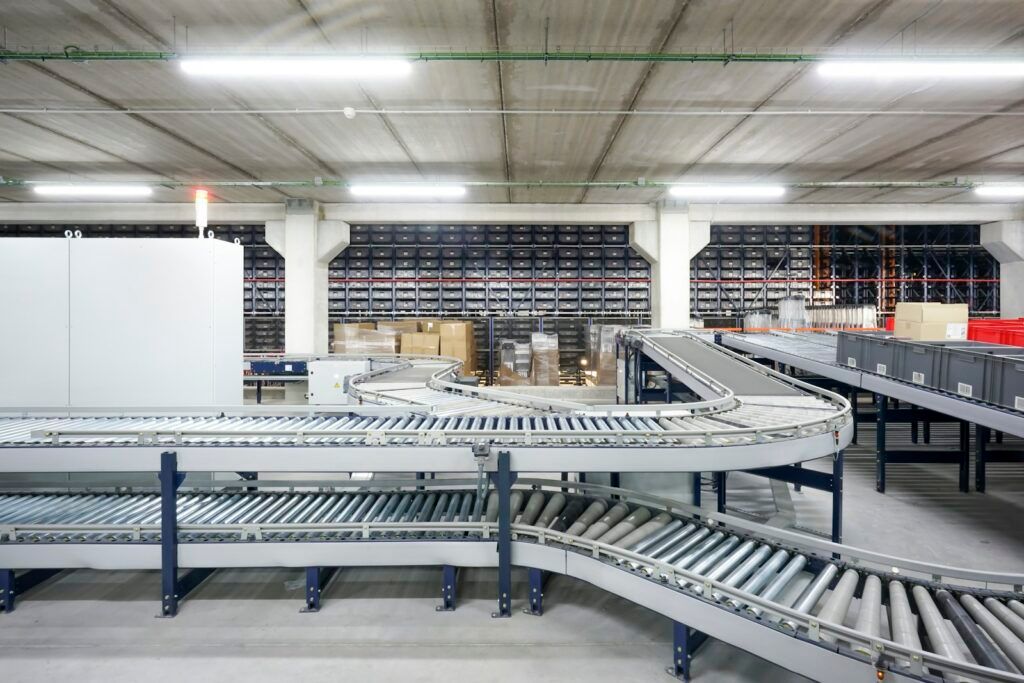
You send stock to Amazon fulfilment centres. Amazon stores it, picks and packs each order, ships it, handles customer service and returns, and your offers carry the Prime badge. You pay fulfilment fees per unit plus monthly storage fees. Stock usually needs FBA prep before it goes in: labels, polybags and carton rules.
FBM: Fulfilment by Merchant
You keep the stock and ship Amazon orders yourself or through a 3PL. You choose the carrier, packaging and returns process, and the same stock can serve your webshop and other marketplaces. Offers only carry the Prime badge if you qualify for Seller Fulfilled Prime.
FBA vs FBM: side by side
| FBA | FBM | |
|---|---|---|
| Who stores and ships | Amazon | You or your 3PL |
| Prime badge | Yes | Only with Seller Fulfilled Prime |
| Fees | Fulfilment fee per unit, monthly storage, low-inventory and returns fees | Your own or your 3PL’s storage, pick and pack and shipping costs |
| Customer service and returns | Handled by Amazon | Handled by you or your 3PL |
| Other sales channels | Separate stock, or Amazon Multi-Channel Fulfilment | One stock for Amazon, webshop and other marketplaces |
| Packaging and branding | Amazon packaging | Your own packaging and inserts |
| Best for | Fast movers, small and light items, Prime-driven categories | Slow movers, bulky or fragile items, many variants, multichannel sellers |
FBA in Europe: EFN or Pan-European FBA?
FBA sellers in Europe choose how far their stock travels. With the European Fulfilment Network (EFN), you store stock in one country and Amazon ships orders from there to other EU marketplaces, with cross-border fees. With Pan-European FBA, Amazon spreads your stock across fulfilment centres in several countries and you pay local fulfilment fees instead.
- Fees: Amazon says Pan-European FBA can save up to 53% compared with EFN cross-border fees, depending on size and weight (the highest possible saving).
- VAT: “A VAT number is required for each country where goods are stored,” so Pan-European FBA usually means several VAT registrations; EFN keeps you to one storage country. Check your situation with a tax adviser and see our guide to EU VAT, OSS and IOSS.
- Countries: you must enable storage in at least two EU countries, such as Germany, France, Italy, Spain or Poland, and Amazon can move stock between them at its discretion.
- Listings: from 3 September 2026 all Pan-European FBA products must have an active listing in the Netherlands, and from 26 February 2027 also in Belgium.
What changed in FBA fees for 2026
Amazon announced its 2026 European fee changes on 2 December 2025:
- Fees fall by an average of €0.17 per unit sold across Europe.
- Low-price FBA rates now cover products priced at or below €20 in most categories, saving an average of €0.45 per unit on newly eligible products.
- FBA fulfilment fees for parcels fell by an average of €0.32 in Germany, France, Italy and Spain from 15 December 2025.
- Monthly storage, return-to-seller and liquidation fees rise selectively, and fulfilment fees in the Netherlands, Sweden, Belgium, Ireland and Poland rise by about €0.02 per unit on average.
- The fuel and logistics surcharge on FBA fulfilment fees rises from 1.5% to 2% from 2 November 2026.
Lower per-unit fees favour FBA for fast movers; higher storage and returns fees make slow movers and high-return products more expensive in FBA. Check the fee preview for each product before you decide.
FBM in 2026: stricter delivery rules

Amazon raised the bar for merchant-fulfilled offers in 2026:
- On-time delivery: from 15 July 2026, FBM sellers in Germany must deliver at least 90% of units by the “Deliver by” date shown to the customer, with similar rules in France, Italy and Spain.
- Handling time: the default handling time is limited to 0 or 1 day.
- Enforcement: from 1 September 2026, Amazon may deactivate listings that miss the requirements.
- Amazon Business: FBM sellers in Germany and the UK are expected to meet a 90% business-hour delivery rate from 30 September 2026.
Seller Fulfilled Prime lets FBM offers carry the Prime badge if you meet Amazon’s requirements in Germany: an on-time rate of at least 90%, valid tracking on at least 99% of shipments, a cancellation rate of 0.5% or less, free shipping and returns for Prime members, nationwide delivery and a trial period before the badge appears.
Shipping FBM from outside the EU? Since 1 July 2026 every low-value parcel entering the EU pays a €3 customs duty per item, and an EU handling fee followed in November 2026. Holding stock in an EU warehouse avoids both per-parcel charges. See the €3 EU customs duty explained.
FBA or FBM: which should you choose?
| Your situation | Usually better | Why |
|---|---|---|
| Fast-moving, small and light products | FBA | Low per-unit fees and the Prime badge |
| Slow movers or seasonal stock | FBM | No FBA storage or low-inventory fees on stock that waits |
| Bulky, heavy or fragile items | FBM | FBA size-tier fees and handling rules add up |
| Many sizes, colours or variants | FBM or hybrid | Keep the long tail out of FBA storage |
| Selling on Amazon, your webshop and other marketplaces | FBM or hybrid | One stock pool for every channel |
| Branded packaging, inserts or kitting | FBM | Your packaging and your rules on every order |
| Brand from outside the EU | FBA or EU-based FBM | Stock in the EU avoids per-parcel customs duty |
The hybrid setup most growing brands end up with
FBA vs FBM doesn’t have to be either-or. A common European setup keeps best sellers in FBA for the Prime badge, while a 3PL holds the main stock, ships FBM orders, webshop orders and marketplace orders, and sends FBA replenishments in small batches. That keeps FBA storage low, protects you when FBA stock runs out or capacity limits apply, and gives you one stock view across channels.
- Replenish FBA from your 3PL: labelled, prepped cartons sent when stock runs low, instead of large shipments that sit in FBA storage.
- Switch to FBM when FBA runs out: keep offers live with merchant-fulfilled stock while replenishment is on the way.
- Keep the long tail in FBM: variants and slow movers stay with the 3PL.
How Waredock helps: we ship Amazon FBM orders the same day they arrive before cut-off, prepare and replenish FBA stock, and run your webshop and other marketplaces from the same stock in warehouses serving seven European countries. Our team and AI agents work together, so you see stock, orders and costs in one place. See Amazon fulfilment and FBA prep, pick and pack services and fulfilment for marketplace sellers.
Frequently asked questions
What is the difference between FBA and FBM?
With FBA, Amazon stores your stock and ships your orders. With FBM, you or your 3PL store the stock and ship Amazon orders. FBA gives you the Prime badge and Amazon customer service; FBM gives you control over stock, packaging and other sales channels.
Is FBA or FBM cheaper in Europe?
It depends on the product. FBA is often cheaper for small, fast-moving items, especially after the 2026 fee cuts. FBM is often cheaper for slow movers, bulky items and products with high return rates, because you avoid FBA storage, low-inventory and returns fees.
Can I use FBA and FBM at the same time?
Yes. Many sellers keep best sellers in FBA and ship the rest FBM through a 3PL, which also replenishes FBA stock and keeps offers live when FBA stock runs out.
Do I need a VAT number in every country for Pan-European FBA?
Amazon says a VAT number is required for each country where goods are stored. With the European Fulfilment Network you store stock in one country, so you usually need fewer registrations. Check your case with a tax adviser.
Can FBM offers get the Prime badge?
Yes, through Seller Fulfilled Prime, if you meet Amazon’s delivery, tracking and cancellation requirements and complete a trial period.
What is FBA prep?
Preparing products before they go into Amazon fulfilment centres: barcodes or FNSKU labels, polybags, bubble wrap and carton labels that follow Amazon’s rules. A 3PL can do this for you.
Sources
- Amazon – Pan-European FBA (sell.amazon.de), checked November 2026
- Amazon Europe – Update to European referral and FBA fees for 2026 (2 December 2025)
- Amazon – Seller Fulfilled Prime (Prime durch Verkäufer), checked November 2026
- Cross-Border Magazine – Amazon tightens Fulfilled by Merchant requirements across Europe (13 July 2026)