

What is a return label?
A return label is a shipping label that a customer sticks on a parcel to send an order back to the shop. It shows the address of the shop’s returns warehouse, a tracking barcode and often a reference that links the parcel to the original order. Shops either put a return label in the box or let customers create one online in a returns portal.
Core principle: A good return label gets the parcel back to the right place, and tells the warehouse which order it belongs to before it is even opened.
Types of return labels
Label in the box
A pre-printed return label is packed with every order.
Watch out for: it’s easy for customers, but you pay for printing every label, and often for postage too, even though most orders are never returned.
Returns portal
The customer enters the order number online, picks the items and the reason, and downloads a label. This lets you approve returns, offer exchanges and collect return reasons.
QR code returns (label-free)
The customer gets a QR code instead of a label and shows it at a parcel shop or locker, where the label is printed. No printer needed, which customers increasingly expect.
What a return label shows
- The return address of the shop or its returns warehouse
- The sender’s name and address
- A carrier tracking barcode, so both sides can follow the return. See track and trace.
- A return or order reference (often called an RMA number)
- For returns from outside the EU, customs documents may be needed as well
Who pays for the return label?
| Option | How it works | Good for |
|---|---|---|
| Free returns | The shop pays the label | Fashion and categories where free returns are expected |
| Paid returns | The cost is deducted from the refund, or the customer buys the label | Low-margin and heavy products |
| Free exchanges, paid refunds | Free label for exchanges or store credit only | Keeping the revenue |
In the EU, consumers can withdraw from most online purchases within 14 days. Under the Consumer Rights Directive, the customer pays the direct cost of returning the goods, unless the shop has agreed to pay or did not tell the customer about this cost before the purchase. Whatever you choose, state it clearly in your returns policy.
Example: A fashion brand stops putting return labels in every parcel and moves to a returns portal with QR code drop-off. Customers choose an exchange or refund online, and the warehouse sees which items are on the way. The brand saves on printing, gets return reasons for every item, and turns a share of refunds into exchanges.
What happens after the return label is scanned
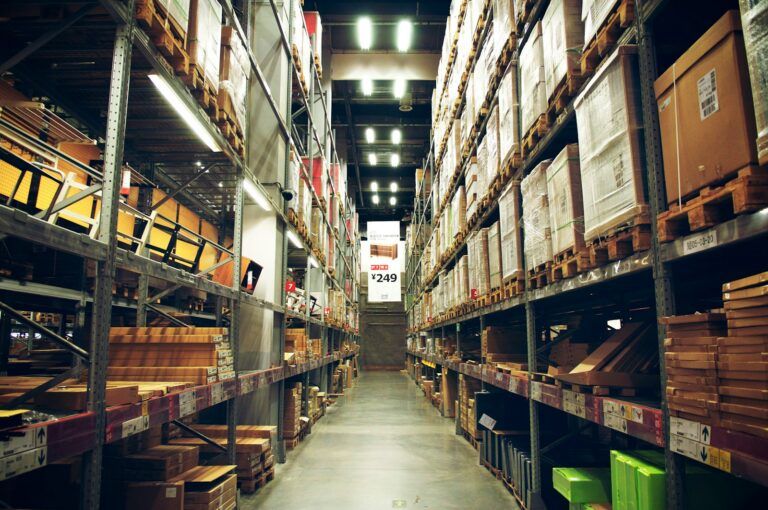
The parcel goes back to the returns warehouse, where it is checked, graded and either restocked, refurbished or recycled, and the customer gets the refund. See reverse logistics and returns management.
Frequently asked questions
What is a return label?
A shipping label a customer uses to send an order back, with the return address, a tracking barcode and an order reference.
Do I have to print a return label?
Not always. Many carriers offer QR code returns, where the label is printed at the parcel shop or locker.
Who pays for return shipping in the EU?
Usually the customer, if the shop said so before the purchase. Many shops offer free returns anyway.
What is an RMA number?
A return merchandise authorisation number: a reference the shop gives a return so the warehouse can match it to the order.