

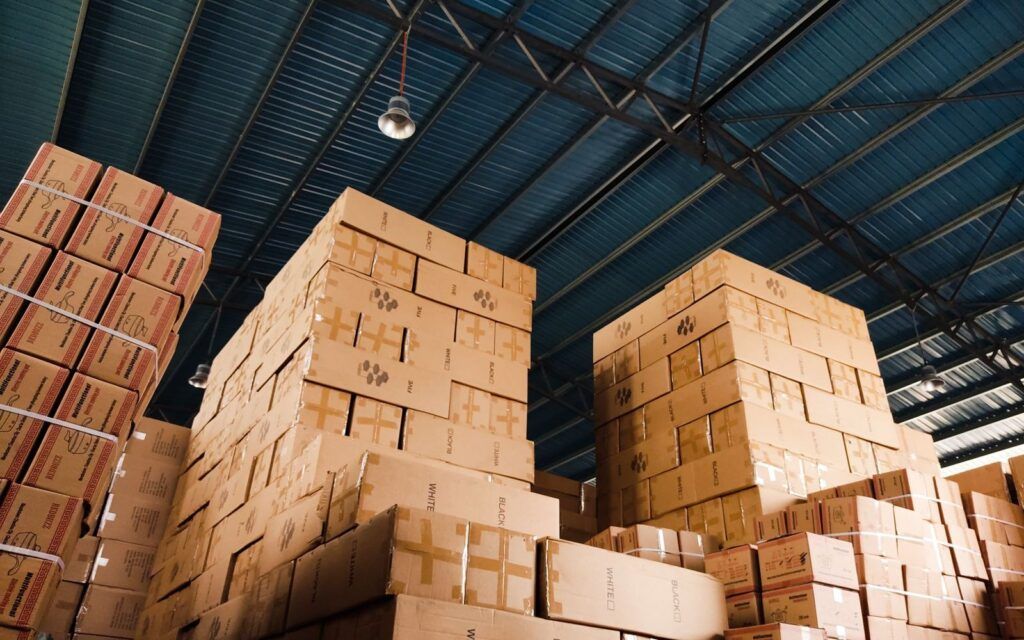
German companies buy their coffee, cleaning products, screws, tools and laptops from a mix of marketplaces, procurement platforms, contract suppliers and specialist web shops. If you produce, import or distribute products that businesses use every day, each of these channels is a route to market, and each comes with its own rules for listing, pricing and delivery. This guide maps the main B2B channels in Germany and the Netherlands, shows how suppliers get listed, and explains what it all means for your stock and pallet storage.
Quick answer: The biggest B2B marketplaces in Germany are Amazon Business, Unite (Mercateo), the Conrad Sourcing Platform, METRO Markets, ManoMano Pro and Galaxus. Alongside them, contract suppliers such as Lyreco, Würth and Hoffmann Group sell directly to companies. Amazon Business does not operate in the Netherlands, where Lyreco, Coolblue Business, bol and METRO Markets NL fill the gap. Suppliers selling through any of these channels need stock close to their buyers, usually on pallets in the Netherlands or Germany.
B2B Buying Has Moved Online
Business buyers now expect the same speed and choice they get at home, plus invoices, approvals and contract prices. Amazon Business is the clearest sign. In July 2026 Amazon said its business marketplace had reached €50 billion in annualised gross sales, more than 11 million customers and almost 30% growth in a year. It is live in ten countries including Germany, France, Italy and Spain (Amazon, July 2026).
Sources: Amazon (July 2026); TreviPay and Censuswide, survey of 550 B2B buyers, November 2025.
Amazon is not the whole market, though. Its own buyer surveys ask German companies where else they bought breakroom, MRO and IT products in the last three months, and the answer options read like a map of the German B2B market: office suppliers, tool specialists, electronics shops, IT resellers and cash-and-carry. We use the same three categories below.
Where German Businesses Buy: Breakroom, MRO and IT
Breakroom, Cleaning and Office Supplies
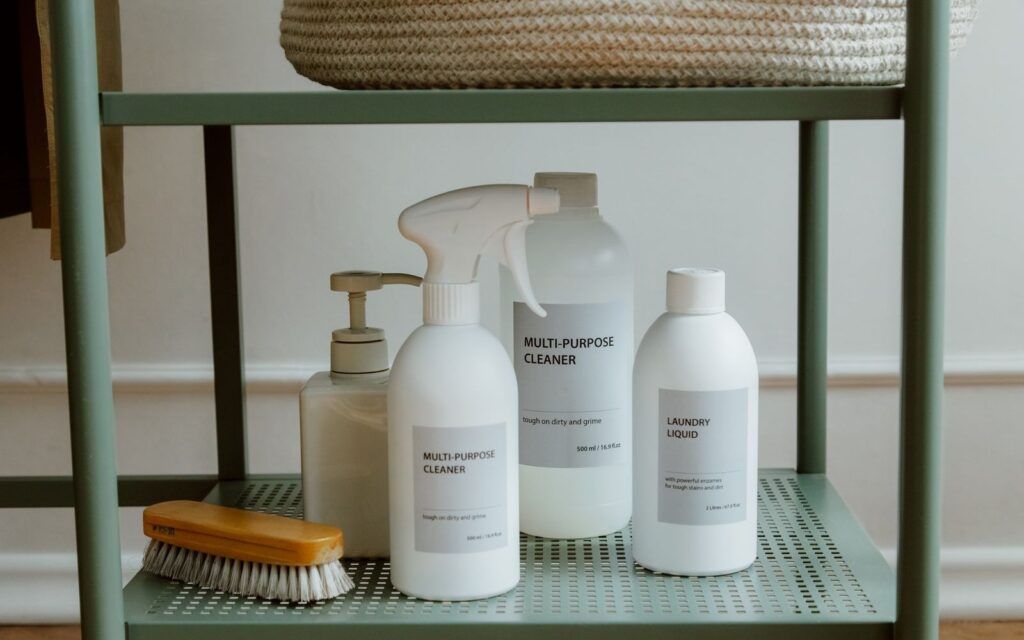
Coffee, tea, snacks, water, cleaning products, paper and hygiene items are bought every week by almost every company. Orders are small and frequent, so buyers stick to a few trusted sources.
| Channel | Type | Typical buyer |
|---|---|---|
| Amazon Business | Marketplace | Small and mid-sized companies, teams with company cards |
| Unite (Mercateo) | Procurement platform | Companies and public bodies buying through approval workflows |
| Lyreco, Viking | Contract office suppliers | Offices with framework agreements and punchout catalogues |
| Büromarkt Böttcher | Office supplies web shop | Small businesses and offices |
| METRO and METRO Markets | Cash-and-carry and HoReCa marketplace | Hotels, restaurants, caterers and offices |
| Hygi, Esmeyer, Horecatiger | Specialist web shops | Cleaning, hygiene, hospitality and catering buyers |
| Supermarket delivery and IKEA | Retail | Small offices topping up kitchens and furniture |
Maintenance, Repair and Operations (MRO)

MRO covers everything a company needs to keep buildings, machines and workshops running: fasteners, tools, electrical parts, safety gear, workplace equipment and, for practices and labs, medical consumables.
| Channel | Type | Typical buyer |
|---|---|---|
| Würth, Hoffmann Group, Hahn+Kolb | Direct and contract suppliers | Workshops, manufacturers, trades |
| Sonepar | Electrical wholesaler | Electricians and installers |
| Conrad Sourcing Platform | B2B marketplace (business buyers only) | Engineering, maintenance and IT teams |
| Reichelt, RS, Voelkner | Technical and electronics web shops | Engineers, maintenance teams, makers |
| ManoMano Pro | DIY marketplace for trade professionals | Builders, renovators, tradespeople |
| Kaiserkraft | Workplace and warehouse equipment | Facility and logistics managers |
| DocCheck Shop, Praxisdienst | Medical supplies | Doctors’ practices, clinics, care homes |
| Amazon Business, Unite | Marketplace and procurement platform | Tail spend across all of the above |
Technology Hardware
Laptops, monitors, accessories, networking and printers are bought from consumer electronics chains with business desks, online IT specialists, and IT resellers that also install and manage equipment.
| Channel | Type | Typical buyer |
|---|---|---|
| MediaMarktSaturn, Cyberport, Notebooksbilliger, Alternate, Computeruniverse | Electronics retailers and web shops | Small businesses, IT buyers |
| Galaxus | Online retailer and marketplace (Germany since January 2023) | Small businesses and consumers |
| Bechtle, Cancom, Computacenter | IT resellers and service providers | Mid-sized and large companies |
| Amazon Business, Unite, Conrad | Marketplaces and procurement platforms | Accessories and tail spend |
What About the Netherlands?
Amazon Business has no Dutch site. Dutch companies buy office and breakroom products from contract suppliers such as Lyreco, electronics from Coolblue Business, which offers quotes from €3,000 for at least two products and ordering from purchasing systems (Coolblue), and hospitality supplies from METRO Markets, which opened in the Netherlands in February 2023 (METRO). Many also use bol and German or pan-European platforms such as Unite. For suppliers, that makes the Netherlands a natural base for both Benelux and German customers.
The Four Types of B2B Channel
Every channel above falls into one of four models. Each one changes who holds the stock and what you, as the supplier, have to deliver.
| Type | How it works | Examples | Who holds the stock |
|---|---|---|---|
| Marketplace | You list and sell under your own name; the platform takes a commission | Amazon Business, Conrad Sourcing Platform, METRO Markets, ManoMano Pro, Galaxus | You (or your 3PL) |
| Procurement platform | Your catalogue and prices appear inside buyers’ purchasing systems via punchout | Unite (Mercateo) | You (or your 3PL) |
| Contract supplier or wholesaler | They buy from you and resell to companies under framework agreements | Lyreco, Würth, Hoffmann Group, Sonepar, Bechtle | They do, replenished by your pallet deliveries |
| Retailer or web shop | They buy from you and sell to small businesses and consumers | MediaMarktSaturn, Cyberport, Büromarkt Böttcher, Hygi | They do, or you drop-ship for them |
Most suppliers use more than one model at once: pallets to a wholesaler on Monday, a marketplace order of three cartons on Tuesday, and a punchout order from a hospital on Wednesday. That mix is why stock location and warehouse flexibility matter so much. For the basics of the roles, see our guide to retailers, wholesalers, distributors and resellers.
How Suppliers Get Listed
Amazon Business
Sell on Amazon.de with a professional seller account and add business-only prices and quantity discounts to your offers (Amazon.de). Since 31 August 2026, sellers in Germany can also run business-only deals, at least 10% below the Business Price (15% during big events such as Black Friday) (PPC Land). Amazon says nearly half of business orders arrive the same or next day, so fast, reliable delivery from stock in Germany is part of the deal.
Unite (Mercateo)
Apply as a supplier, accept Unite’s terms and a framework agreement, then upload your catalogue in BMEcat format by sFTP (Unite). A separate conditions file updates prices, customer prices and price tiers without re-uploading the catalogue (Unite support). Buyers reach your products through the web shop or through punchout from systems such as Coupa via OCI and cXML.
Conrad Sourcing Platform
Conrad’s marketplace sells only to business customers, schools and public bodies in Germany. Sellers need a German VAT ID and logistics in Germany, and must ship single orders, either themselves or through Conrad’s fulfilment (Conrad seller FAQ).
METRO Markets
METRO’s online marketplace serves hotels, restaurants and caterers in Germany (since 2019) and the Netherlands (since 2023). Sellers must be verified traders with a HoReCa range (METRO).
Galaxus and ManoMano Pro
Galaxus runs a selective merchant programme in Germany, with no set-up fee and a commission per sale (Galaxus). ManoMano launched ManoMano Pro for trade professionals in Germany in November 2022 (DIY International).
Contract Suppliers and Wholesalers
Lyreco, Würth, Hoffmann Group, Sonepar and IT resellers buy from manufacturers and importers. Getting listed means a supplier agreement, product data in their format and reliable pallet deliveries to their distribution centres, often with EDI orders, advance shipping notices and SSCC labels.
What B2B Channels Expect From Your Logistics
- Stock in the right country. Conrad requires logistics in Germany, and next-day delivery promises only work from stock nearby. The Netherlands and western Germany reach most German and Benelux buyers within one or two days.
- Pallets and parcels from one stock. Full pallets for wholesalers, cartons for procurement orders and single parcels for marketplace buyers.
- Retailer and wholesaler paperwork. EDI orders, advance shipping notices, SSCC pallet labels and booked delivery slots. Our guide to B2B logistics and fulfilment covers them in detail.
- Proof of delivery for invoices. Business buyers pay by invoice, so a missing proof of delivery delays your cash.
- Clean product data. GTIN/EAN codes, pallet and carton dimensions and, for food, batch and best-before dates.
Pallet Storage for B2B Suppliers in the Netherlands and Germany
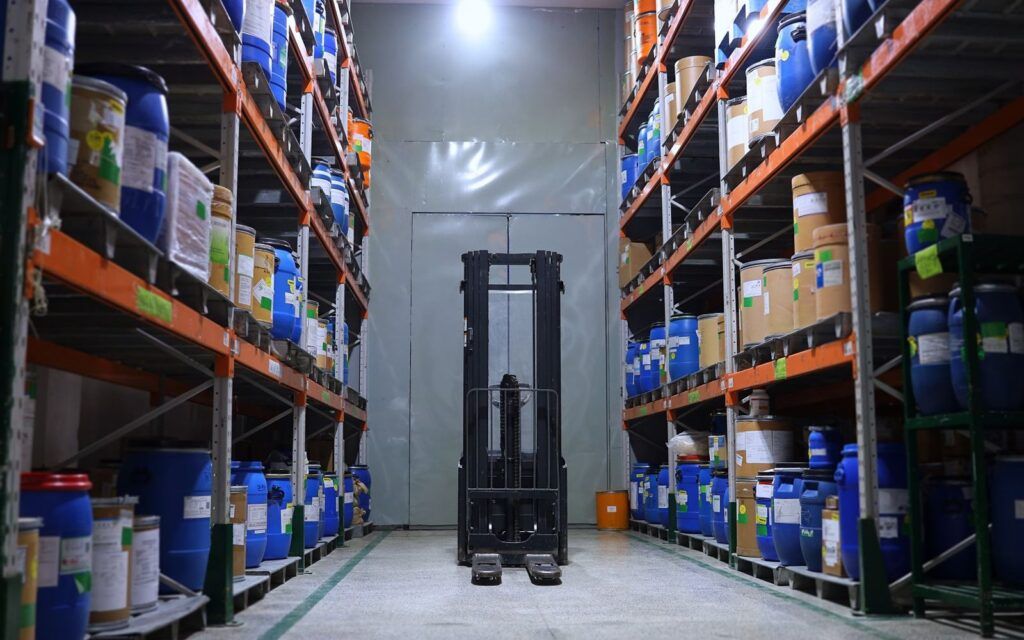
Whichever channels you choose, your stock usually sits on Euro pallets in a warehouse that can ship both pallets and small orders. Two numbers decide what you need and what it costs: your average pallet places and your outbound pallets per year.
Turnover per year = outbound pallets per year ÷ average pallet places.
| Profile | Pallet places | Outbound pallets a year | Turnover |
|---|---|---|---|
| Slow-moving specialist range | 50 | 150 | 3× (each pallet stays about 4 months) |
| Office and breakroom supplier | 100 | 1,200 | 12× (about 1 month) |
| Fast-moving food or drink importer | 400 | 25,000 | about 62× (under a week) |
Most pallet warehouses start at around 50 pallet places. The faster your pallets turn, the harder each place works, and the better the handling rates you can negotiate. A pallet quote is built from inbound handling per pallet, storage per pallet per day or week, outbound handling, picking per carton or order line, order handling, portal or EDI setup and transport. Our article on logistics costs shows current market ranges.
Food and drink suppliers also need food-certified and, for organic ranges, organic-certified storage, and chocolate needs conditioned rooms at around 15°C so it doesn’t melt in summer.
Selling to businesses in the Benelux or Germany? Waredock offers pallet storage in the Netherlands and Germany from 50 pallet places, with food- and organic-certified storage, 15°C rooms, EDI and B2B and B2C orders from one stock. Send your pallet profile and get a proposal within 2 business days.
Pricing: What Business Buyers Ask For
Getting listed is only half the job. Business buyers compare more than the price on the page: quantity discounts, contract prices, invoice terms, free-shipping thresholds and subscriptions all shape where they buy. Amazon Business, for example, offers quantity discounts from two units, Subscribe & Save and business-only deals. We explain the 14 pricing features buyers ask about, which platforms use them and what each one means for your logistics in B2B pricing models.
FAQ
Is Amazon Business available in the Netherlands?
No. Amazon Business serves the United States, Mexico, Canada, the UK, Germany, France, Italy, Spain, Japan and India. Dutch companies buy through Lyreco, Coolblue Business, bol, METRO Markets and procurement platforms such as Unite, and some order from Amazon Business Germany.
What is the difference between Mercateo and Unite?
Mercateo is the B2B marketplace founded in Munich in 2000. Unite is the company that runs it today, together with a procurement network that connects buyers and suppliers. Suppliers join with a framework agreement and a BMEcat catalogue.
What is a punchout catalogue?
A punchout catalogue lets a buyer open a supplier’s or marketplace’s shop from inside their own purchasing system (via OCI or cXML), fill a basket at their contract prices and send it back for approval as a purchase order.
Which B2B marketplaces are there in Germany?
The main ones are Amazon Business, Unite (Mercateo), the Conrad Sourcing Platform for technical products, METRO Markets for hospitality, ManoMano Pro for trade professionals and Galaxus. Contract suppliers such as Lyreco, Würth and Hoffmann Group sell directly to companies.
How many pallets do I need to use a 3PL for pallet storage?
Most pallet warehouses start at around 50 pallet places. How fast the pallets move matters as much as the number: weekly or daily outbound makes even a small volume worth storing.
Sources
- Amazon: Amazon Business reaches €50 billion in annualised sales and 11 million customers (July 2026)
- PPC Land: Amazon opens B2B deals to business accounts in 10 markets (September 2026)
- Amazon.de: Verkaufen an Unternehmen mit Amazon Business
- TreviPay and Censuswide: How to win and keep B2B buyers, EMEA executive summary
- Unite: Join Unite as a supplier
- Unite support: CSV conditions file
- Unite support: Setting up PunchOut
- Conrad Sourcing Platform: Seller FAQ
- METRO: Online marketplace for professional needs
- METRO: METRO Markets glossary
- Galaxus: Galaxus launches marketplace in Germany
- DIY International: ManoMano launches its professional service in Germany (November 2022)
- Coolblue: Business