


A boutique 3PL is a small, often independent fulfilment provider that works with a limited number of brands and gives each one direct, hands-on service. For a small eCommerce brand shipping a few hundred to a few thousand orders a month, that personal attention often beats the scale of an enterprise 3PL, where your account competes with clients shipping thousands of orders a day. But boutique 3PLs have limits too. This guide compares boutique and enterprise 3PLs, explains what each really costs, how to read boutique 3PL reviews, and which questions to ask before you sign.
Quick answer: Choose a boutique 3PL if you ship fewer than a few thousand orders a month, need custom packaging or special handling, and value a named contact who knows your products. Choose an enterprise 3PL if you need very high volume, many warehouses and strict, standardised SLAs. If you need both personal service and coverage in several European countries, look at a network 3PL that runs several warehouses on one platform.
Source: Sendcloud, E-commerce Delivery Compass 2025 (see sources below).
Jump to: What is a boutique 3PL · Boutique vs enterprise · Where enterprise 3PLs fail · Boutique advantages · Boutique limits · True costs · Reading reviews · Questions to ask · Switching · FAQ
What is a boutique 3PL?
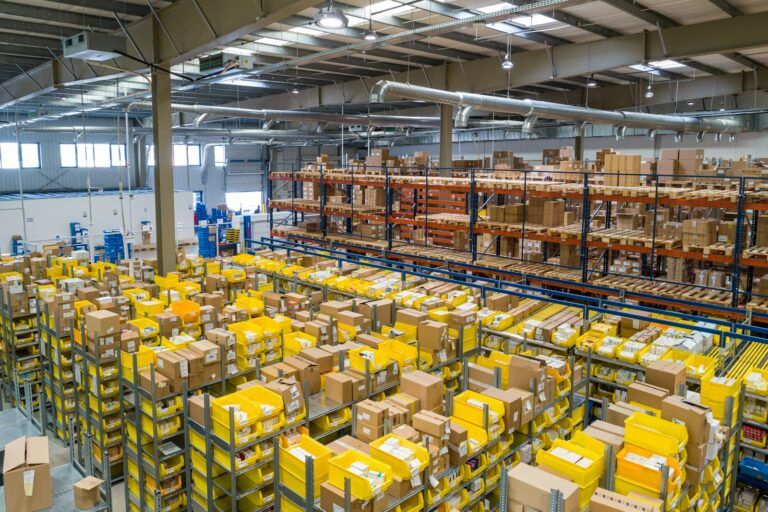
A third-party logistics provider (3PL) stores your stock, picks and packs orders and ships them to your customers. A boutique 3PL does the same job at a smaller scale: usually one or two warehouses, tens rather than thousands of clients, and an owner or senior manager who is still close to daily operations.
An enterprise 3PL is a large provider with many sites, often in several countries, built to handle high volumes for big retailers and brands with highly standardised processes. Between the two sits a third type, the network 3PL: a provider that connects several warehouses on one software platform, so you get regional coverage without being one of thousands of accounts in a single giant operation.
Boutique vs enterprise vs network 3PL
| Boutique 3PL | Enterprise 3PL | Network 3PL | |
|---|---|---|---|
| Typical clients | Small and growing brands | Large retailers and brands | Small to mid-size brands selling in several markets |
| Contact | Named person, often the owner | Account team and ticket queue | Named account manager |
| Flexibility | High: custom packaging and special handling | Low: standard processes | Medium to high |
| Minimums | Low or none | Often high monthly minimums | Low to medium |
| Locations | One or two sites | Many sites | Several sites, often in several countries |
| Technology | Varies widely | Advanced, but rigid | Shared platform across all sites |
| Peak capacity | Limited | High | Spread across sites |
| Best for | Up to a few thousand orders a month, one main market | Very high volume, strict SLAs | Growing brands selling across Europe |
Why enterprise 3PLs often fail small brands
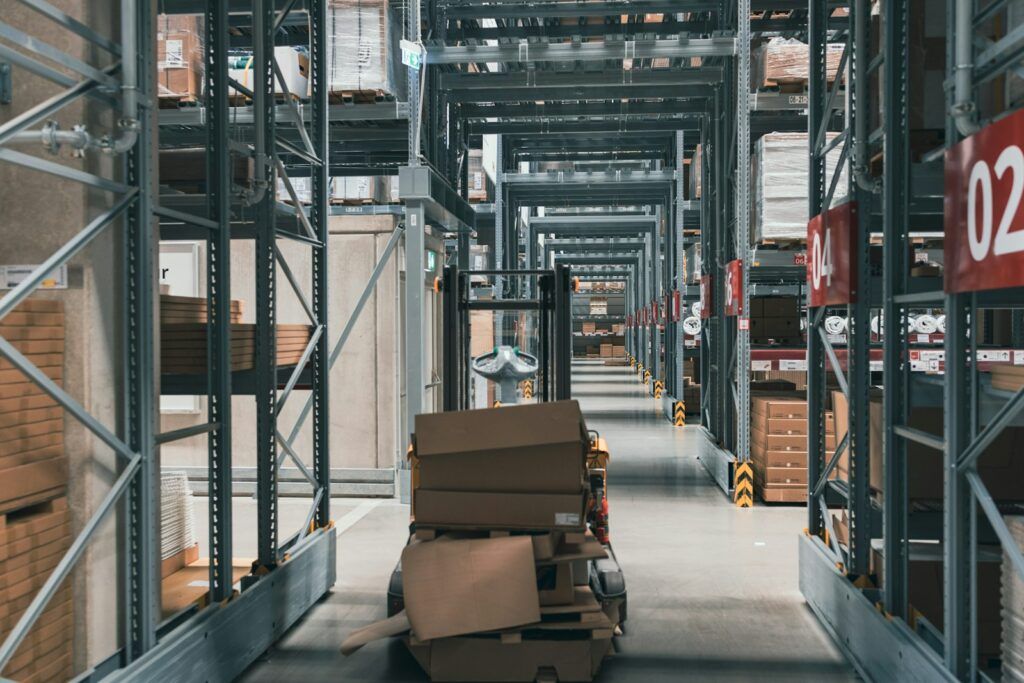
Enterprise 3PLs are very good at what they are built for: moving large volumes at a low cost per unit. The problems start when a small brand’s needs do not fit that model.
Your orders are not the priority
If you ship 500 orders a month and the client next to you ships 5,000 a day, the warehouse plans around the big client. During peak season, small accounts are the first to feel slower processing and missed cut-off times.
Standard processes ignore special requests
Enterprise operations are optimised for repeatable, high-speed work. A request like “always ship this product in a box, never in a poly mailer” is easy to agree in a sales call and easy to lose on a busy packing line. The result is damaged goods, returns and bad reviews, the exact things that, according to Sendcloud’s research, make half of European shoppers reconsider a brand.
Support runs through a ticket queue
With thousands of clients, support is organised around tickets and service levels. That works for routine questions but not when a carrier collection is missed on the day of a launch.
Minimums and contract terms
Many larger 3PLs set monthly minimums, a minimum spend or order count. If your volume falls short in a slow month, you are billed the difference. Long notice periods and fees to remove your stock can also make it expensive to leave.
The advantages of a boutique 3PL
- A named contact. You deal with a person who knows your products, your packaging and your customers, not a ticket number.
- Flexible operations. Custom packaging, inserts, gift wrapping, kitting and special handling are part of the service, not expensive exceptions.
- Fast decisions. When something goes wrong, you can reach the person who can fix it the same day.
- Low or no minimums. Pricing is usually built for small volumes, so slow months do not trigger shortfall fees.
- Care with fragile or premium products. Smaller teams often handle products such as cosmetics, glass, apparel and gift sets with more attention to presentation.
- Room to grow together. A boutique 3PL often adapts its processes as your brand grows, instead of forcing you into a standard package.
Where boutique 3PLs fall short
A boutique 3PL is not automatically the right choice. Check these limits before you sign.
- One location. A single warehouse means longer and more expensive delivery to customers in other countries. If you sell across Europe, shipping everything from one site can cost you on both price and speed.
- Peak capacity. Ask how they handled their last Black Friday and Christmas peak, and how much extra staff and space they can add.
- Technology gaps. Some small providers still work with spreadsheets or basic systems. You need live stock levels, order tracking and reliable integrations with your shop and marketplaces.
- Carrier choice. Smaller volumes can mean fewer carriers and higher shipping rates.
- Key-person risk. If the service depends on one or two people, ask what happens when they are on holiday or leave.
- Financial resilience. Ask about insurance for stored goods and how long the business has been operating.
What an eCommerce-specialised 3PL should offer
Whether boutique, enterprise or network, a 3PL that specialises in eCommerce should handle the details that decide your customers’ experience:
- Integrations with your store and marketplaces, such as Shopify, WooCommerce, Amazon and Zalando, so orders flow in automatically. See integrations.
- Accurate pick and pack for small items and many SKUs, with scan checks to prevent mispicks.
- Late order cut-off times and same-day dispatch for orders received before the cut-off.
- Branded packaging, inserts and kitting, see value-added services.
- A clear returns process with inspection, restocking and reporting, see returns.
- Several carriers per country, so each parcel ships with the best service for its destination.
What a 3PL really costs
Comparing pick and pack fees alone is the most common mistake when choosing a 3PL. What matters is your total cost per delivered order, including the cost of mistakes.
| Cost | How it is usually charged | What to check |
|---|---|---|
| Shipping | Per parcel, by carrier, weight and destination | Usually the largest cost for small parcels; ask for rates per country |
| Pick and pack | Per order plus per extra item | Whether packaging materials are included |
| Storage | Per pallet, shelf or bin, per week or month | Minimum storage charges and long-term storage fees |
| Inbound | Per pallet, carton or unit received | Fees for unlabelled or mixed deliveries |
| Returns | Per return processed | Inspection, restocking and disposal fees |
| Extras | Kitting, inserts, labelling | Which extras are priced per unit or per hour |
| Account fees | Setup, integration, monthly minimums | Shortfall billing and fees for leaving |
Then add the hidden costs of poor service: replacement products and reshipping for damaged or wrong orders, refunds, customer service time and lost repeat customers. A 3PL that charges a little more per order but makes fewer mistakes is often cheaper overall. For a full breakdown, read our guides to fulfilment costs and 3PL vs in-house fulfilment costs.
How to read boutique 3PL reviews
Small 3PLs rarely have hundreds of online reviews, so you need to read the few that exist carefully and add your own checks.
- Look for patterns, not single reviews. One angry review can be a one-off. Several reviews about missed requests, slow replies or damaged parcels point to a real problem.
- Check how the 3PL responds. A calm, specific reply that explains what was fixed says more than a perfect score.
- Read recent reviews. Service can change quickly when a small provider grows or loses key staff. Focus on the last 12 months.
- Compare with brands like yours. Reviews from brands with similar products, volumes and markets are the most relevant.
- Ask for references. Speak to two or three current clients, ideally ones who have been through a peak season with the provider.
- Visit or video-call the warehouse. A tidy, well-labelled warehouse and a team that can explain its processes are good signs.
Red flags
- Slow or vague answers during the sales process. Service rarely improves after you sign.
- No written service levels for accuracy, dispatch times or response times.
- Prices that are far below the market without a clear explanation.
- No live stock visibility or no integration with your sales channels.
- Unclear terms for leaving, such as long notice periods or high fees to move your stock.
Questions to ask before you sign
- How many clients do you have, and how many orders a month does a typical client ship?
- What is your order cut-off time, and what share of orders ship the same day?
- What is your order accuracy, and how do you measure it?
- How do you handle special packaging and handling instructions on the packing line?
- Who is my day-to-day contact, and who covers when they are away?
- How did you handle your last peak season, and how do you add capacity?
- Which carriers do you use for each country, and can I see example rates?
- How do you process returns, and how quickly is stock available again?
- Which shops and marketplaces do you integrate with, and is there a setup fee?
- Are there monthly minimums, and what does the contract say about leaving?
- Can I speak to two or three current clients?
How to switch 3PLs without disrupting orders
- Plan the timing. Move outside your peak season and give your current 3PL the notice your contract requires.
- Set up integrations first. Connect your store and marketplaces to the new 3PL and test orders before any stock moves.
- Move stock in stages. Ship part of your stock to the new warehouse first, or run both 3PLs in parallel for two to four weeks.
- Check every SKU on arrival. Compare received quantities with what left the old warehouse and resolve differences immediately.
- Agree KPIs from day one. Accuracy, dispatch time, response time and damage rate, reviewed monthly.
- Tell your customers if needed. A short note about possible delays during the move is better than surprises.
Boutique, enterprise or network: which fits you?
| Your situation | Best fit |
|---|---|
| Up to a few thousand orders a month, mostly one country, custom packaging | Boutique 3PL |
| Tens of thousands of orders a month, strict standard SLAs, own logistics team | Enterprise 3PL |
| Growing brand selling in several European countries, wants personal service | Network 3PL |
| Brand from outside the EU starting to sell in Europe | Network 3PL with import and customs support, see non-EU brands |
Your fulfilment partner is part of your brand: every parcel it packs is a customer experience. Pick the provider whose size, service and coverage match where your business is going, not just where it is today. If you are an early-stage brand, see how Waredock works with start-ups and small brands, or explore eCommerce fulfilment across our European locations.
Frequently asked questions
What is a boutique 3PL?
A boutique 3PL is a small fulfilment provider with a limited number of clients, usually one or two warehouses and hands-on service from a named contact. It stores your stock, picks, packs and ships your orders like any third-party logistics provider, but with more flexibility and personal attention than a large enterprise provider.
Is a boutique 3PL more expensive than an enterprise 3PL?
Per-order fees can be slightly higher, but boutique 3PLs usually have low or no monthly minimums. Fewer mistakes, damaged parcels and returns often make the total cost per delivered order lower for small brands.
How many orders do I need to use a 3PL?
Many brands start using a 3PL at around 100 to 500 orders a month, when packing orders themselves takes too much time. Boutique and network 3PLs often accept smaller volumes than enterprise providers, which tend to set higher monthly minimums.
What are the disadvantages of a boutique 3PL?
The main limits are a single location, limited peak capacity, fewer carriers, technology that varies in quality and dependence on a few key people. Check these before signing, especially if you plan to sell in several countries.
How do I check boutique 3PL reviews?
Look for patterns across recent reviews, check how the provider responds to complaints, ask for two or three client references with similar products and volumes, and visit or video-call the warehouse before you sign.
When should a small brand switch 3PLs?
Consider switching when special instructions are repeatedly ignored, accuracy or dispatch times fall, support stops answering quickly, or the provider cannot support your growth into new countries or channels. Plan the move outside peak season.
Sources
- Sendcloud, 2 in 3 UK shoppers won’t return after a failed delivery (E-commerce Delivery Compass 2025)
- Sendcloud, How delivery frustrations impact repeat purchases