


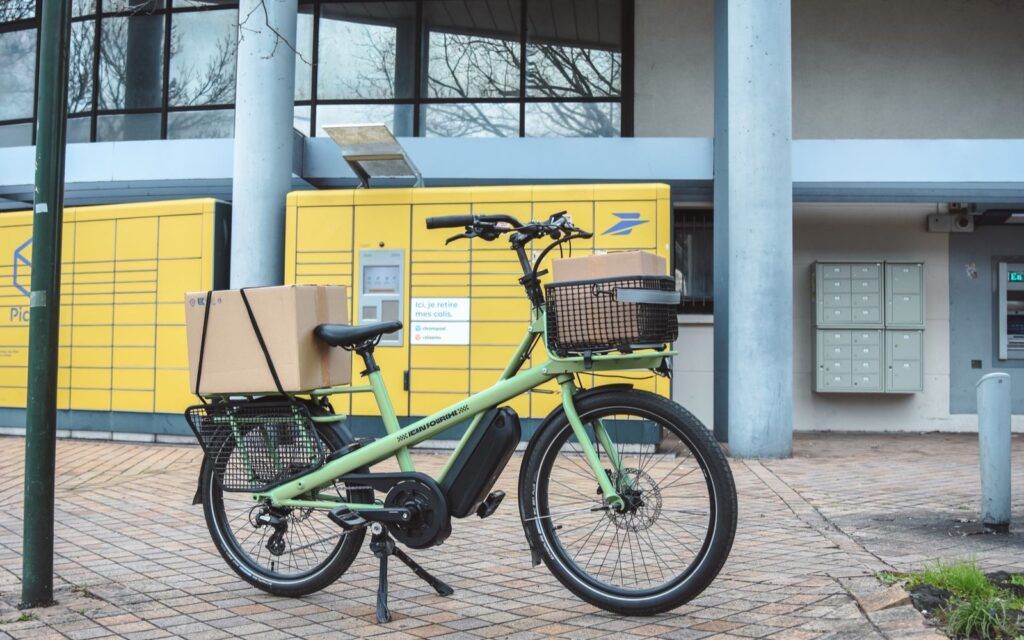
Customers expect fast delivery, and a micro-fulfillment center promises the fastest version of it: stock held in a small site inside the city, picked within minutes and delivered the same day or within the hour. The model works for some businesses and has cost others billions. This guide explains what a micro-fulfillment center (MFC) is, how it differs from a warehouse, where automated micro-fulfilment stands in 2026, and what growing eCommerce brands use instead to deliver fast across Europe.
Quick answer: A micro-fulfillment center is a small, local fulfilment site (in a store’s back room, a dark store or a compact urban unit) that holds a narrow range of fast-selling products close to customers for same-day or rapid delivery. It suits grocery, convenience and pharmacy retailers with dense local demand. Most online brands shipping a few thousand orders a month across a country or across Europe get better value from one well-placed regional fulfilment centre, and add a second location only when the order data justifies it.
Sources: Supply Chain Dive, November 2025; Prosus, March 2026; market reports from The Business Research Company, Spherical Insights and Stratistics MRC.
What Is a Micro-Fulfillment Center?
A micro-fulfillment center (MFC, written micro-fulfilment centre in British English) is a small fulfilment site placed close to where customers live. Instead of shipping every order from one large warehouse outside the city, a retailer keeps a limited range of its fastest-selling products in a local site and delivers from there.
Three things define it:
- Location: inside or near a city, often in the back of a supermarket, in a former shop or in a small urban unit.
- Range: a narrow assortment of fast movers rather than the full catalogue. Flink, for example, stocks about 3,000 products per hub.
- Stock depth: enough for a short period, replenished often (sometimes daily) from a larger warehouse or distribution centre.
The term is also used loosely for micro warehousing: renting small amounts of local storage on demand. The idea is the same, putting stock closer to the customer, but without the automation many MFCs are built around.
How a Micro-Fulfillment Center Works
An MFC is one link in a longer chain. A typical order flow looks like this:
- Replenishment: a central warehouse sends regular top-ups, usually mixed cases or totes of the products that sell fastest in that area.
- Order intake: online orders from the delivery area are routed to the nearest MFC by the order management system.
- Picking: staff pick from short aisles, or a goods-to-person system brings totes to a picking station. Automated MFCs use robots or shuttles for this step.
- Staging: finished orders wait in ambient, chilled or frozen zones for a courier or for click-and-collect.
- Delivery: riders, vans or third-party delivery apps cover the last mile, often within hours.
Speed comes mainly from distance, not from the robots. Because the stock is already in the neighbourhood, the slowest and most expensive part of delivery is short.
Micro-Fulfillment Center vs Warehouse
A micro-fulfillment center is not a smaller copy of a warehouse. It trades range and stock depth for proximity. This is how the three common set-ups compare:
| Micro-fulfillment center / dark store | Regional fulfilment centre (3PL) | Large distribution centre | |
|---|---|---|---|
| Location | In or near the city | Logistics hub with good carrier links | Out of town, near motorways |
| Range held | Narrow: fast movers only | Full range of one or many brands | Full range, often in pallet quantities |
| Stock depth | Days | Weeks to months | Weeks to months |
| Typical delivery | Same day, often within hours, in one city | Next day to a few days, country-wide or cross-border, via parcel carriers | Replenishes stores and smaller sites |
| Main cost driver | City rent, staff per order, frequent replenishment, automation | Storage, pick and pack, shipping per order | Building, automation, transport |
| Suits | Grocery, convenience, pharmacy with dense local demand | Online brands selling across one or more countries | Large retailers and wholesalers |
If you are comparing set-ups more broadly, see distribution centre vs fulfilment centre.
Types of Micro-Fulfillment
Store-based micro-fulfilment
A section of an existing store (the back room or part of the sales floor) is used to pick online orders. It uses space the retailer already pays for and stock that is already there, so it is the cheapest way to start. This is the direction Kroger took in 2025, when it moved away from large automated centres towards stores and third-party delivery partners.
Dark stores
A dark store looks like a small shop but is closed to the public: the shelves are only there for pickers. Quick-commerce companies run networks of them. Cities have started to regulate where they may operate. Amsterdam’s zoning rules, for example, no longer allow new dark stores in purely residential areas, after complaints about noise and traffic.
Automated micro-fulfillment centers
Automated MFCs install robotics (shuttles, grids or goods-to-person stations) in a compact space so a small team can pick many orders an hour. They cost much more to set up, and they only pay back if each site gets enough orders every day.
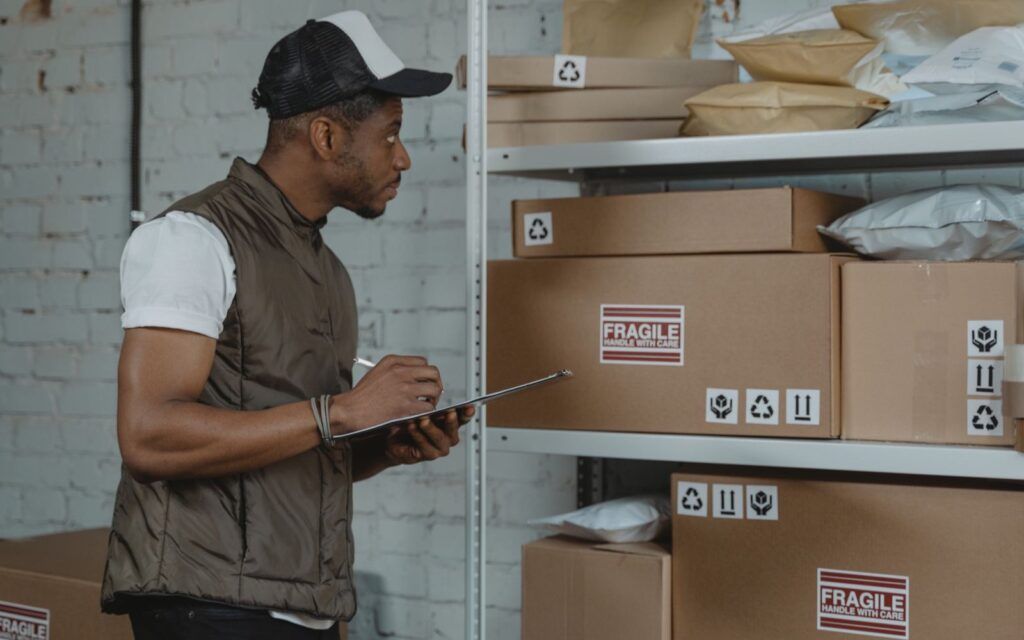
Automated Micro-Fulfillment in 2026: A Reality Check
Between 2019 and 2022, automated micro-fulfilment was sold as the future of grocery eCommerce. The years since have been more sobering:
- Takeoff Technologies, one of the best-known automated MFC providers for grocers, filed for Chapter 11 in May 2024, citing financial difficulties and a lack of new equity funding. The Australian grocer Woolworths Group later bought its assets.
- Kroger announced in November 2025 that it would close three of its robotic fulfilment centres built with Ocado, take about $2.6 billion in charges and focus on store-based fulfilment and delivery partners instead. Kroger’s interim CEO said stores let it expand rapid delivery “without significant capital investments”.
- Getir withdrew from most of Europe in 2023, closing dark stores in the Netherlands and Germany.
- Flink took the opposite path. It reported EBITDA profitability in March 2026 with about 160 hubs in Germany and the Netherlands, after two years of cutting back to sites with enough density.
The lesson is the same in every case: a local site only pays off when enough orders come from a small area, every day. Without that density, the fixed costs of rent, staff and automation are spread over too few orders.
Benefits of Micro-Fulfillment
- Faster delivery: same-day or within-hours delivery in the area each site covers.
- Shorter last mile: fewer kilometres per order, which can mean lower delivery cost and emissions when bikes or electric vans are used.
- Click-and-collect and easy returns: a nearby site doubles as a pick-up and drop-off point.
- Better use of store space: store-based MFCs turn existing space and stock into an online channel.
Limits of Micro-Fulfillment
- Demand density: the economics depend on many orders from a small area. Rural and cross-border orders don’t fit.
- Narrow range: only fast movers fit, so slow sellers and large items still need a warehouse.
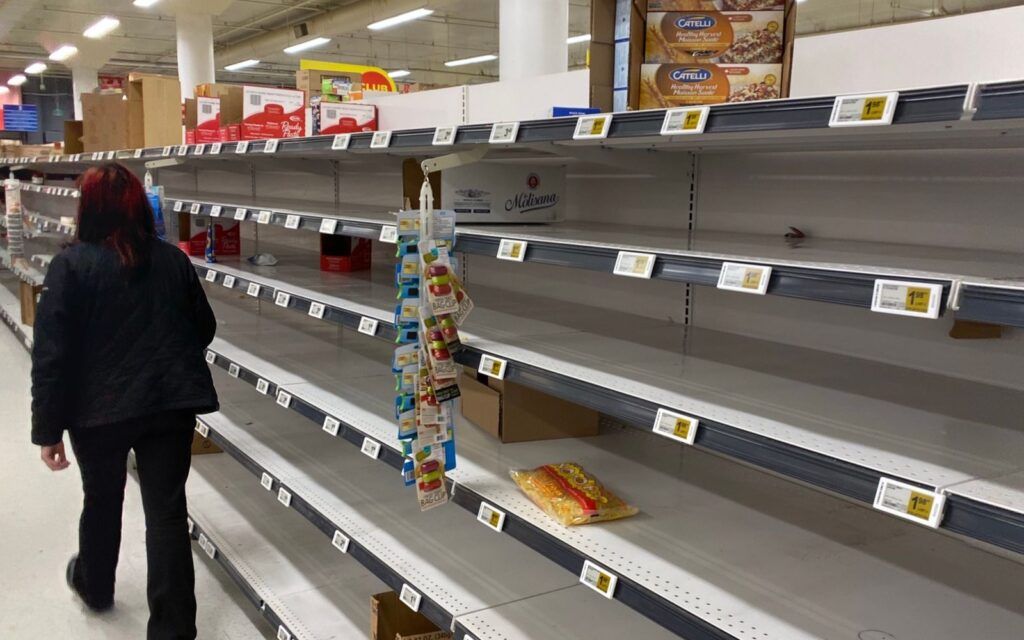
- Stockouts and replenishment: with only days of stock on hand, a viral product or a late truck empties the shelves. Every extra location also needs its own safety stock.
- Cost: city rent, frequent replenishment runs and, for automated sites, a large upfront investment.
- Regulation: some cities restrict dark stores in residential areas.
Which Businesses Suit Micro-Fulfillment?
Micro-fulfilment fits businesses whose customers buy often, want items quickly and live close together: grocery, convenience goods, pharmacy and everyday household products in large cities. Retailers with stores in those cities have a head start, because they can use the space and stock they already have.
It rarely fits online brands that sell across a whole country or across Europe. A skincare, apparel or supplement brand shipping a few thousand orders a month has customers spread over thousands of postcodes. No single city produces enough daily orders to cover the cost of a local site, and splitting stock across many sites raises the risk of stockouts.
What Growing eCommerce Brands Use Instead
For most brands, fast delivery comes from choosing the right location, the right carriers and same-day dispatch, not from city-centre sites. A practical path looks like this:
- Start with one regional fulfilment centre near most of your customers. For brands selling across the EU, a warehouse in the Netherlands, Germany or Poland reaches large parts of Europe by parcel networks. Our guide to strategic fulfilment locations explains how to choose.
- Ship the same day. A late warehouse cut-off and good parcel carrier choices do more for delivery speed than an extra site.
- Add a second location when the data says so, for example when a country makes up a large share of orders, or when the Nordics or the UK need faster delivery. This is distributed inventory: more locations, more stock to finance, faster delivery.
- Check the cost per order. Compare the extra storage, safety stock and transfers with what you save on shipping and gain in conversion. Our fulfilment costs guide shows the 2026 market ranges per fee.
Shopify brands weighing this decision can read one warehouse or a multi-location strategy.
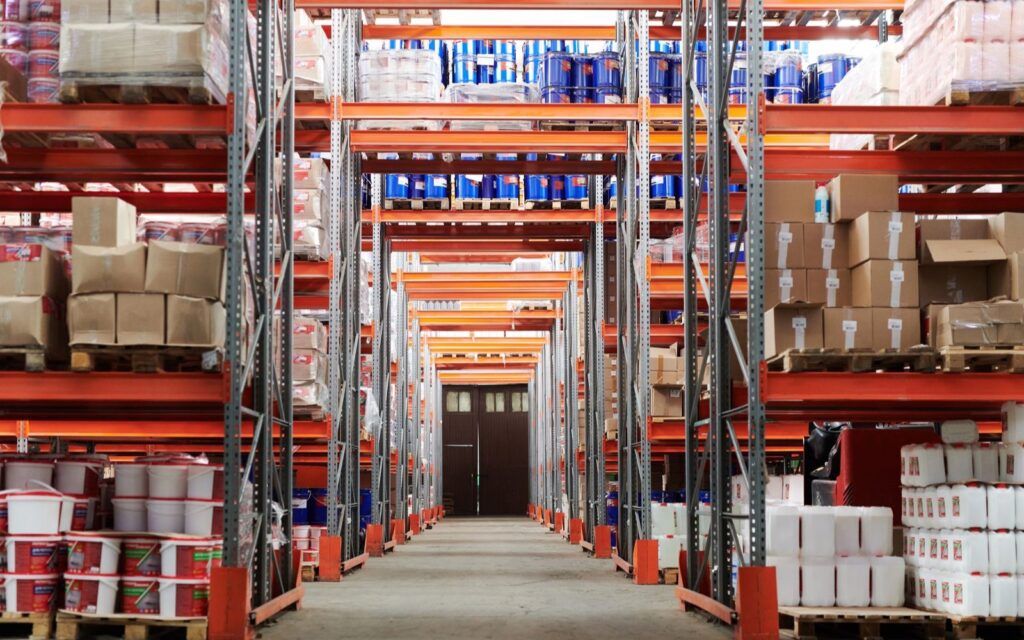
Want fast delivery across Europe without building local sites? Waredock runs eCommerce fulfilment from warehouses serving seven European countries, including the Netherlands and Germany. Orders that arrive before the cut-off ship the same day. We work with brands shipping 1,000 to 3,000 orders a month, and beyond as they grow. Our team and AI agents work together to place your stock where your customers are. Tell us where your orders go and we will suggest a set-up.
FAQ
What is a micro-fulfillment center?
A micro-fulfillment center (MFC) is a small fulfilment site close to customers, often in a store’s back room, a dark store or a compact urban unit. It holds a narrow range of fast-selling products and is replenished often, so orders can be delivered the same day or within hours.
What is the difference between a micro-fulfillment center and a warehouse?
A warehouse holds a full range of products in larger quantities and ships over longer distances, usually through parcel carriers. A micro-fulfillment center holds only fast movers for a few days, sits inside or near a city and serves a small delivery area very quickly.
Is a dark store the same as a micro-fulfillment center?
A dark store is one type of micro-fulfillment center: a shop-like site closed to the public, where staff pick online orders from shelves. Other types are store-based MFCs in the back of an existing store and automated MFCs that use robotics.
How much does a micro-fulfillment center cost?
It depends on the type. A store-based set-up mainly needs staff, software and some space. An automated MFC is a capital project with robotics, software and a fitted-out site, and only pays back with high daily order volumes. For brands that use a 3PL instead, the cost is a fee per order; see the market ranges in our fulfilment costs guide.
What is micro warehousing?
Micro warehousing means storing small amounts of stock in local sites close to customers, often on flexible, short-term terms. It is the storage side of micro-fulfilment, usually without the automation.
Are micro-fulfillment centers part of last-mile delivery?
Yes. An MFC is usually the last stock location before the customer, so it shortens the last mile, the final and often most expensive leg of delivery.
Does micro-fulfillment make sense for an eCommerce brand?
Rarely, at the start. Micro-fulfilment needs many orders from a small area every day. Brands selling across a country or across Europe usually deliver faster for less with one regional fulfilment centre, same-day dispatch and good carriers, and add a second location once order data shows a clear cluster of demand.
Sources
- Supply Chain Dive: Kroger to close three automated fulfillment centers (November 2025)
- Ocado Group: Update on Kroger partnership, regulatory announcement (18 November 2025)
- Grocery Dive: Takeoff Technologies files for Chapter 11 (May 2024)
- Automated Warehouse: Takeoff Technologies assets picked up by Woolworths Group
- Prosus: Prosus leads US$100 million funding round in Flink (March 2026)
- The Next Web: Getir shuts Amsterdam dark stores and withdraws from Dutch cities (August 2023)
- The Business Research Company: Micro Fulfillment Global Market Report
- Spherical Insights: Micro fulfilment center market 2025
- Stratistics MRC: Micro-fulfillment center solutions market